Parkinson Heroes
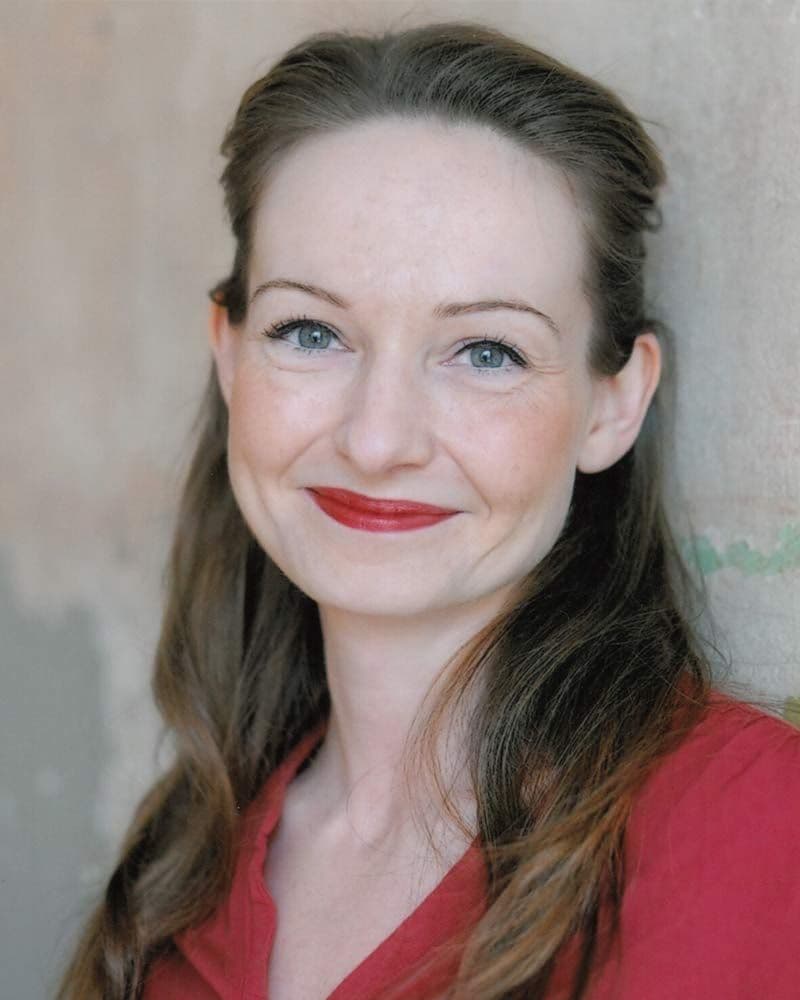
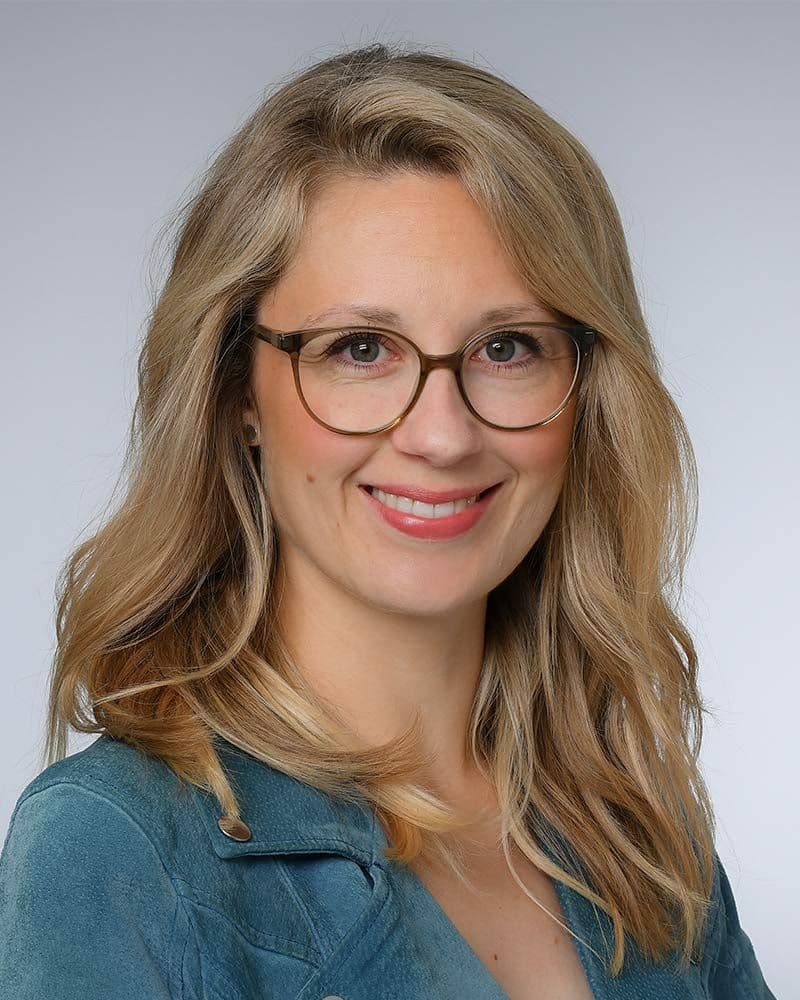
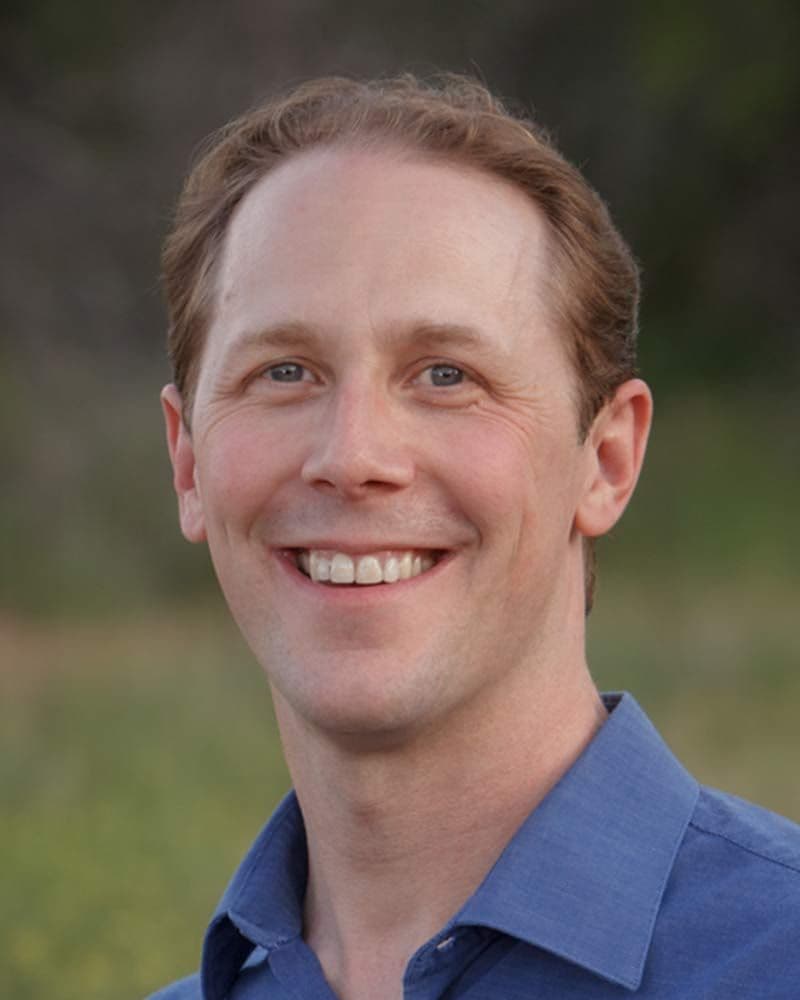
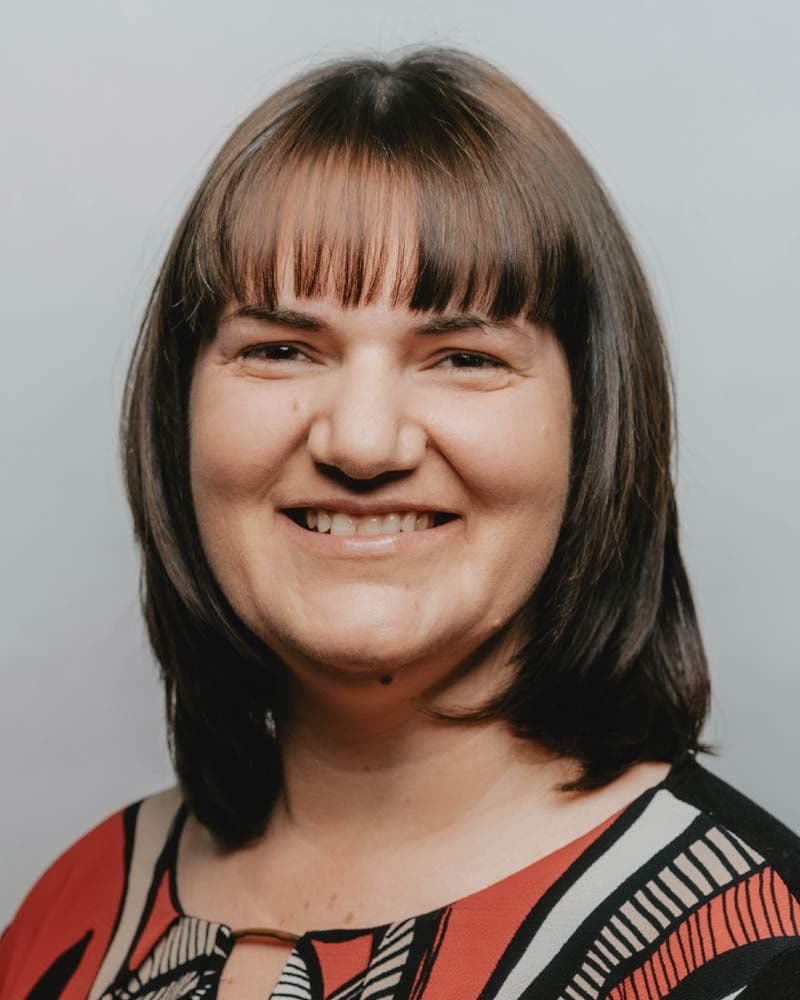
People with Parkinson’s, physicians, researchers, and therapists share personal insights into life with Parkinson’s and advances in care. They are true Parkinson heroes.
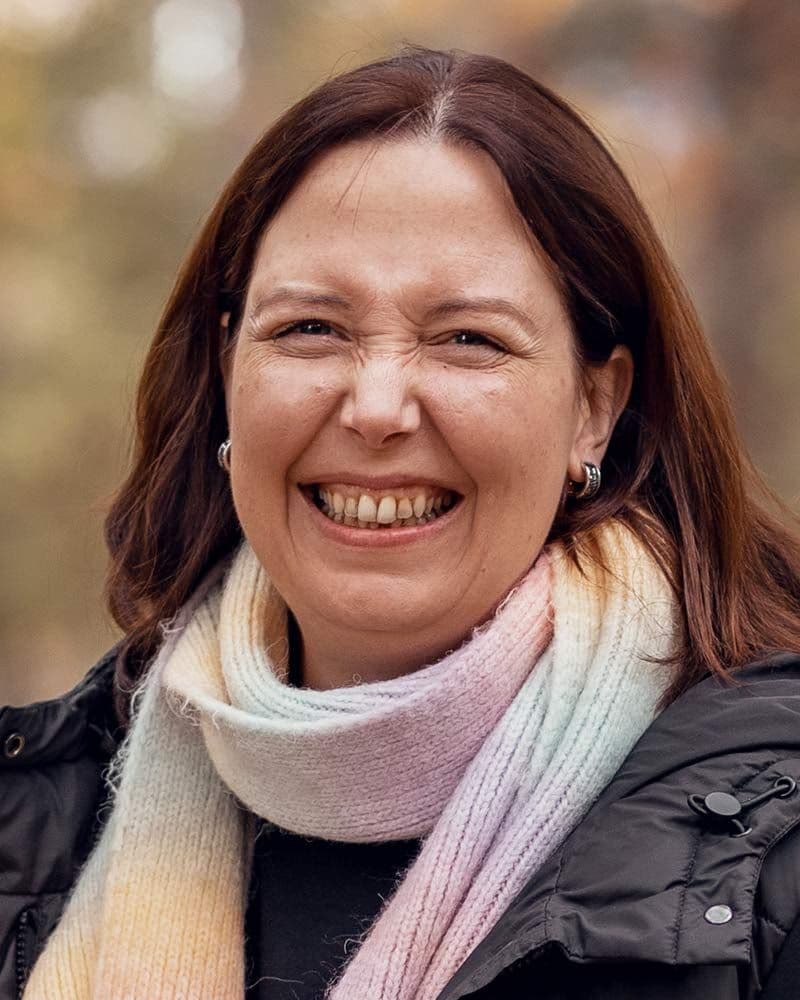
Martha Strubinger gives Parkinson’s care partners a voice of their own — speaking up about the burdens that often go unseen and calling for greater understanding in families, healthcare, and public life.
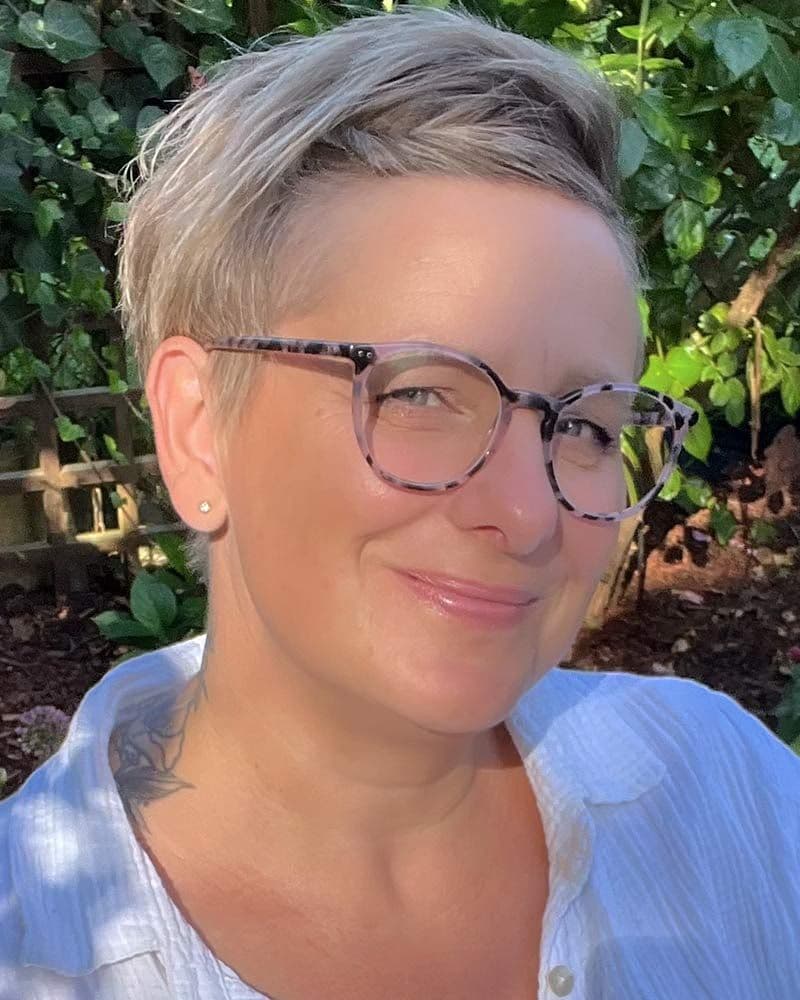
Monika Morgenthaler knows Parkinson’s from both sides — as a patient and as a caregiver. She talks about caregiving, family, ping-pong, and choosing to make room for joy.
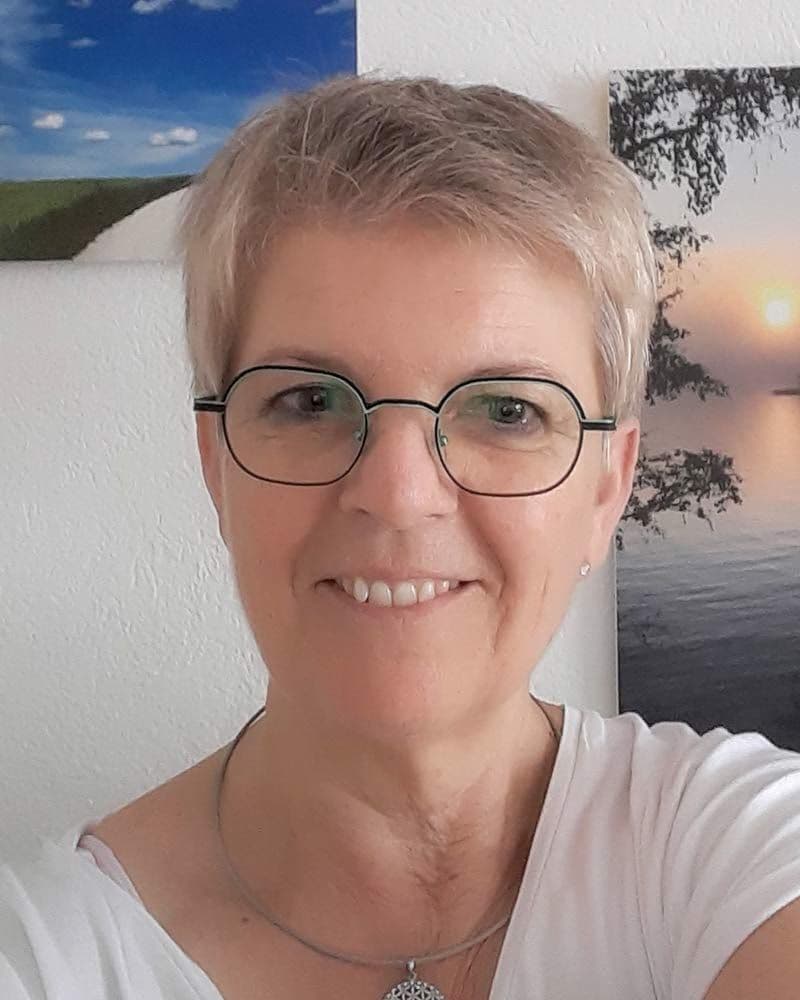
Silvia Lerch supports young people with Parkinson's through self-help, sports, and education—and shows just how much life is still possible despite an early diagnosis.
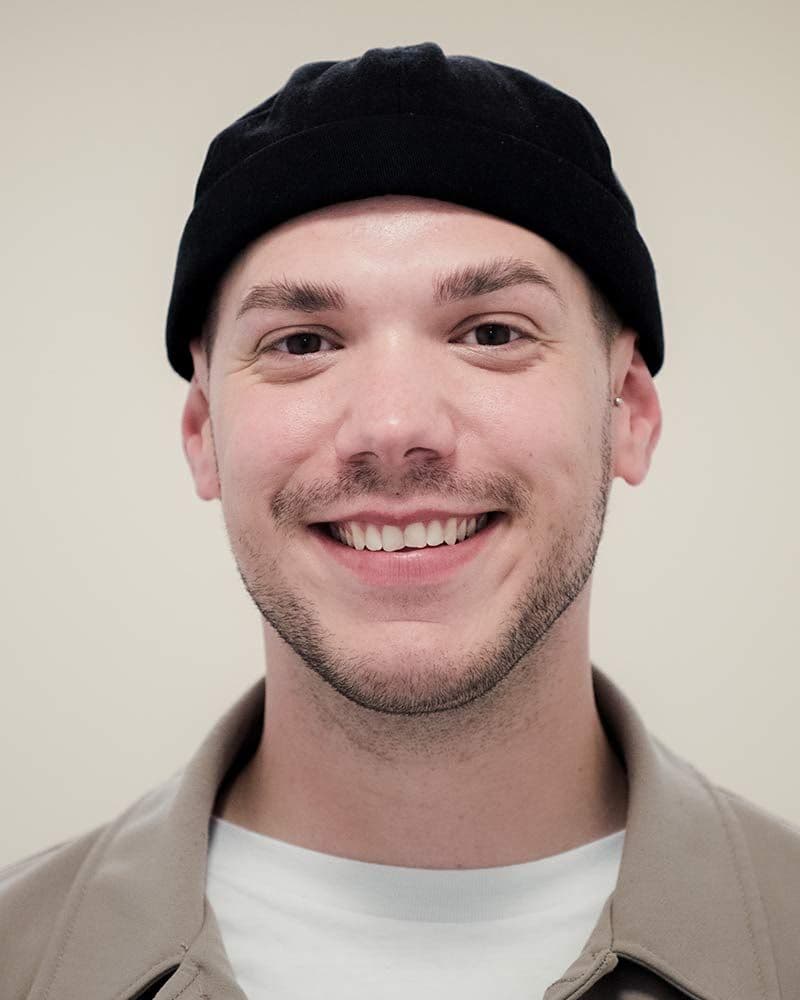
Therapy dog Ludwig brings joy to exercise: Prof. Dr. Carsten Eggers combines dog therapy, motivation, and self-efficacy in the treatment of Parkinson's disease.
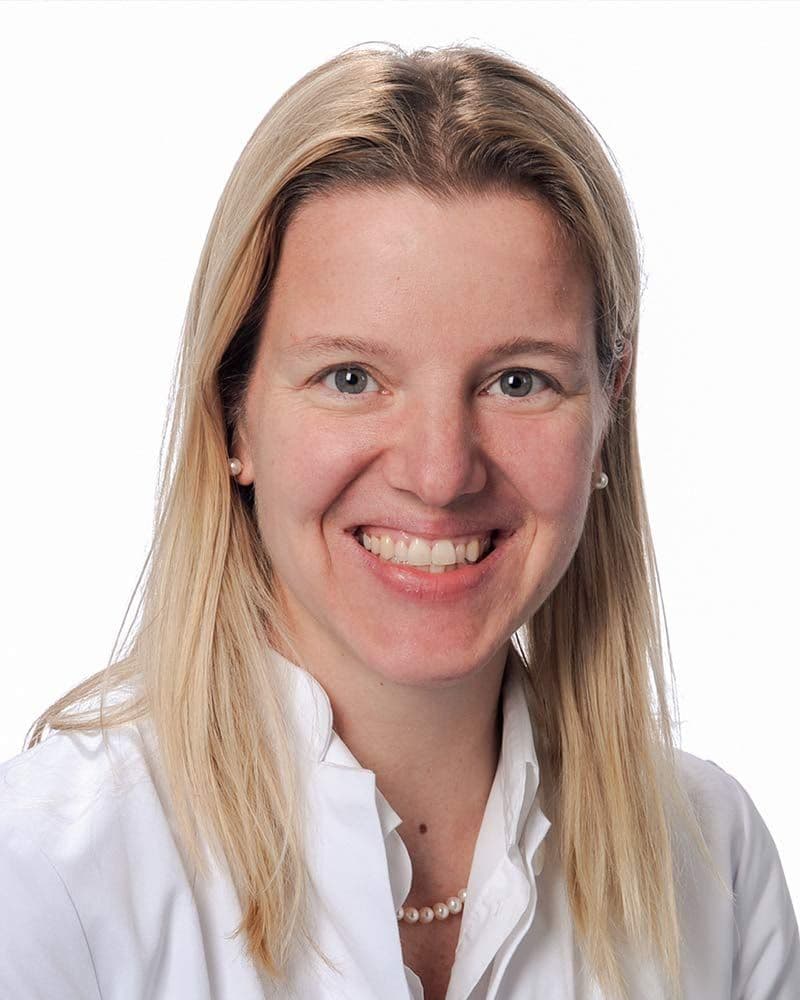
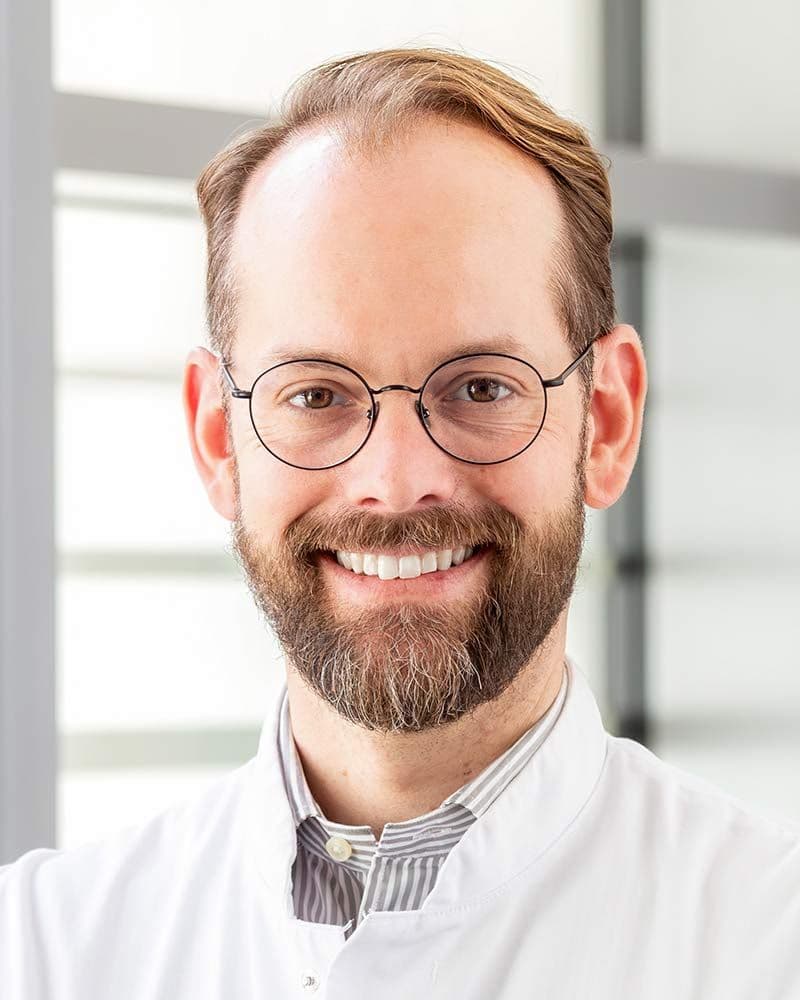
A brain pacemaker can significantly alleviate Parkinson's symptoms. Dr. Patricia Krause determines who is a candidate for deep brain stimulation.
Josefa Domingos approaches therapy from an everyday perspective—using creative movement techniques, building rapport with patients, and having the courage to rethink Parkinson’s care.
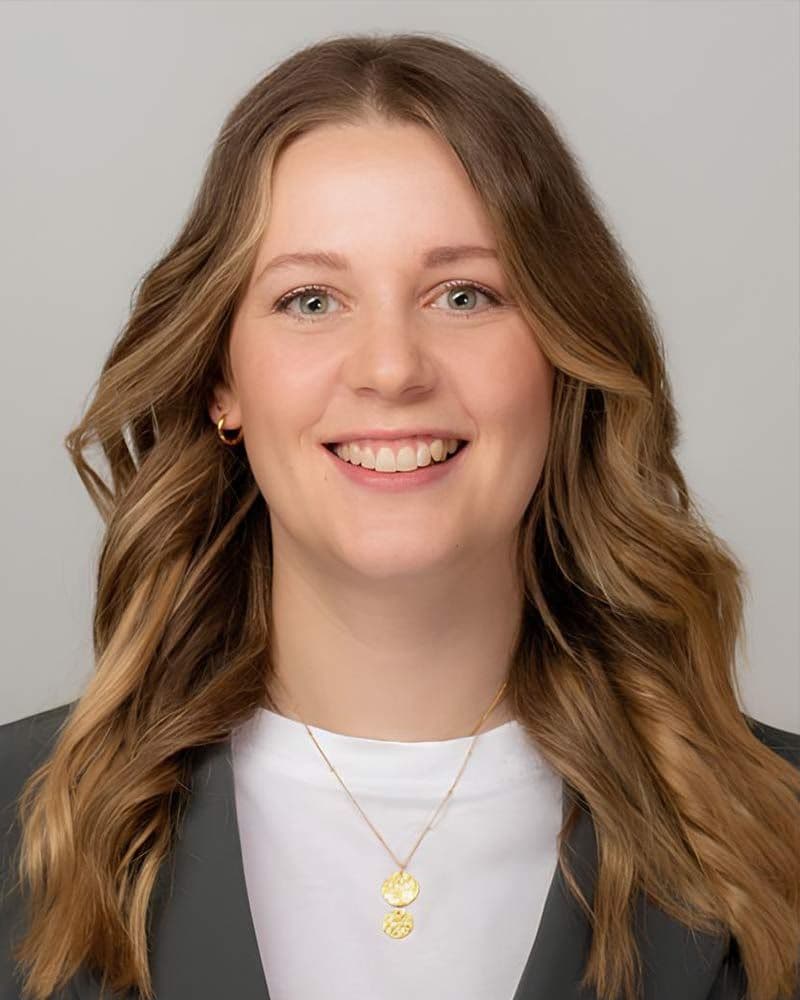
When the voice becomes softer, early support is essential. Dr. Tabea Thies discusses speech therapy, communication, and everyday safety.
Speech therapist John M. Dean relies on digital therapy, exercise, and motivation—to ensure that support for Parkinson's disease reaches people where they live.
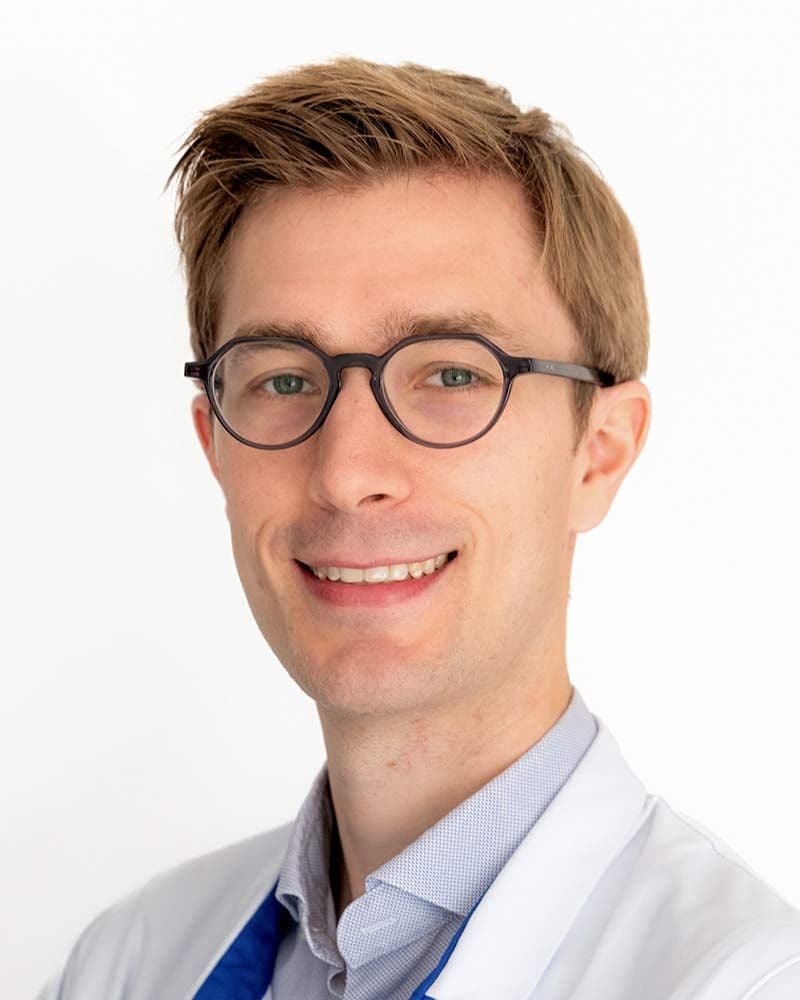
The gut may play a more important role in Parkinson’s than previously thought. Dr. Arnout Bruggeman discusses microbiome research and new therapeutic perspectives.
Good Parkinson’s care does not happen in the doctor’s office alone. Carina Lummer focuses on regional networks that support patients and families beyond clinical care.

Parkinson Heroes: Personal Stories of Life with Parkinson’s
In our Parkinson Heroes section, people with Parkinson’s share their stories. In candid, personal interviews, they offer insight into life with the disease — from the first signs, such as tremor in the hands or legs, to the often long road to diagnosis, the fears that come with it, and the sources of hope that help them move forward. They also talk about the everyday challenges Parkinson’s can bring and the strategies that help them manage daily life. Their stories show how medication, supportive therapies such as speech therapy, occupational therapy, and physical therapy, and advanced treatments such as infusion pump therapy or deep brain stimulation can make a meaningful difference and help improve quality of life.
In the discussions, those affected also give very individual tips on self-help. What they enjoy doing in their free time, for example playing table tennis, Nordic walking, painting or making music, and which aids make their everyday life easier. Read the inspiring, personal interviews with Parkinson’s patients and their unadulterated, direct view of the disease on our portal.
Parkinson’s heroes: Interviews with doctors and therapists
Our Parkinson’s heroes also include the many doctors, scientists and therapists who have specialized in the disease and treatment of Parkinson’s disease in the field of neurology, among others. In our interviews, they report on innovative therapies, positive developments and research, and on their various treatment focuses. They explain why regular exercise is so important for Parkinson’s and can improve Parkinson’s symptoms. They also show where there is still a need for action in care so that all patients can benefit as much as possible from existing treatments. They also make suggestions on how the interaction between inpatient and outpatient care and between doctors and therapists can be improved.
In our Parkinson’s heroes section, you can read highly interesting interviews with doctors and therapists who will give you fascinating insights into their work with Parkinson’s disease.