- Dr. George Ackerman lost his mother, Sharon Riff Ackerman, to Parkinson's disease on 1 January 2020. The family believes she lived with the condition for around 18 years.
- About 15 doctors and other professionals told the family that you don't die from Parkinson's but with Parkinson's. For his mother, the last four years brought a rapid decline.
- Delusions and hallucinations were among the hardest experiences: on some days she called him up to 100 times, convinced there were strangers in her house.
- A small memorial website grew into TogetherForSharon® — by his account around 450 episodes, more than 50,000 site visits, and the book “A Son's Journey”.
- He counts himself part of a third group in the Parkinson's community: people who have lost a loved one to the disease. He has yet to find a support group for them.
George Ackerman on caregiving, grief, and keeping his mother’s memory alive
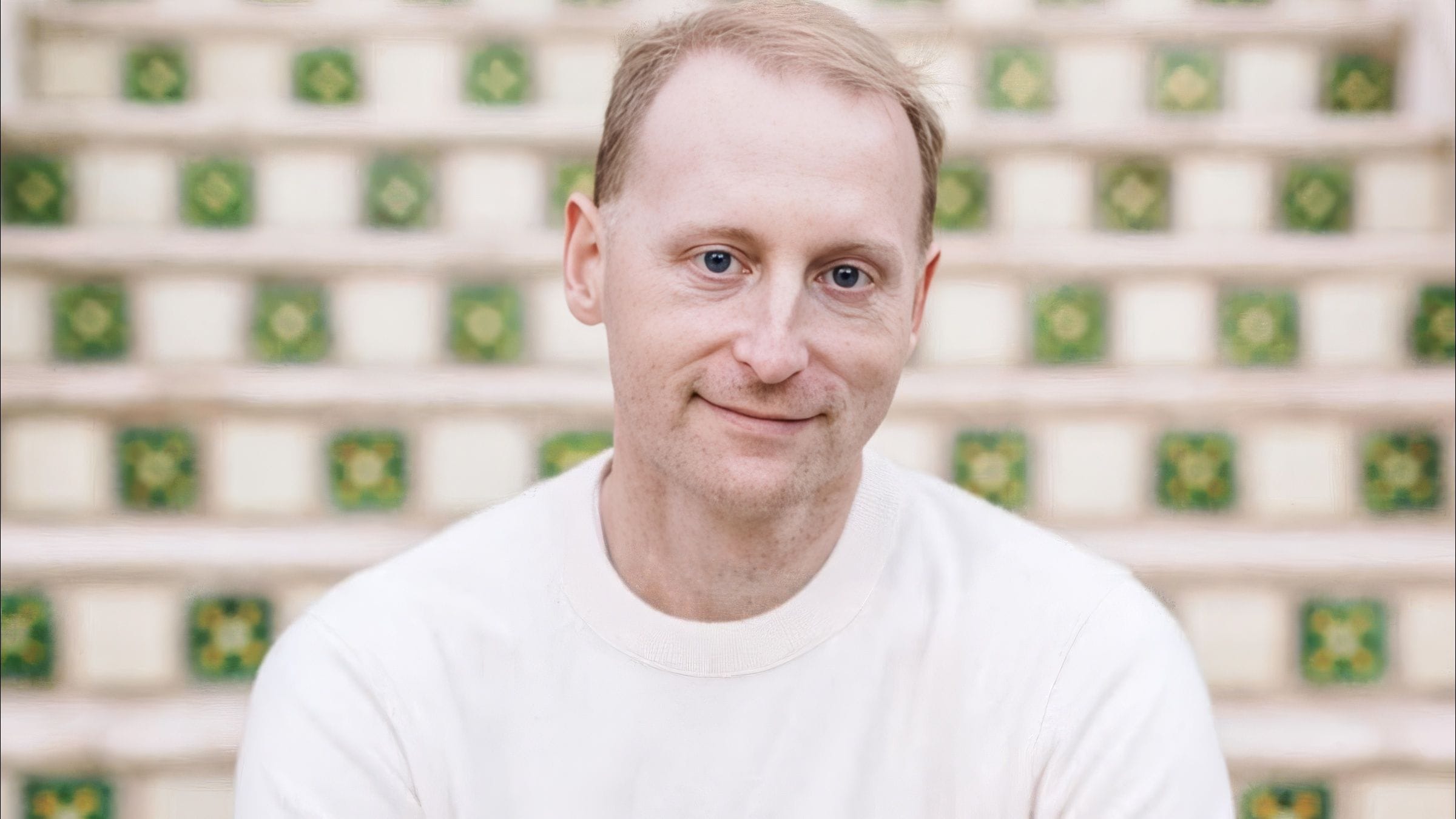
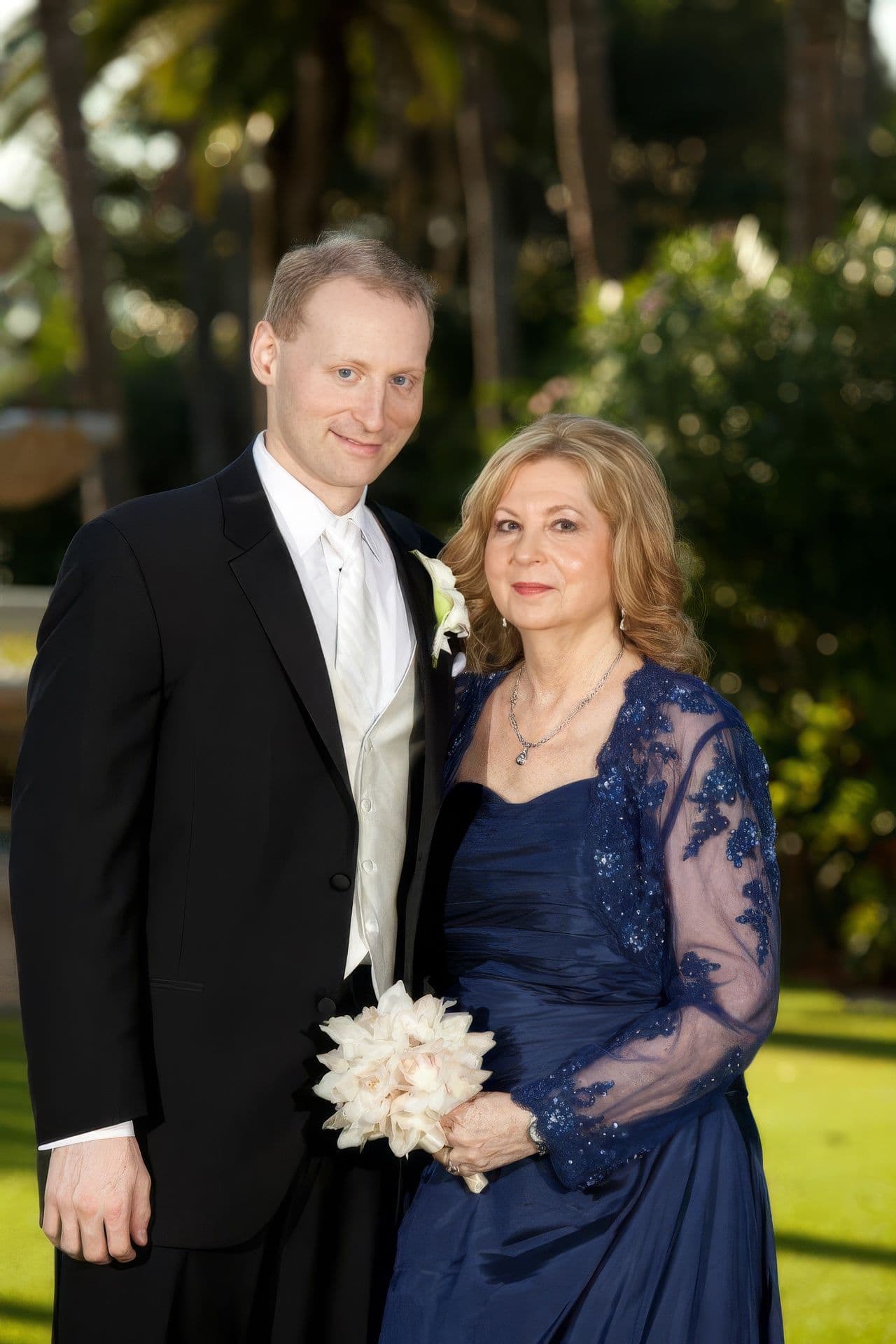
Dr. George Ackerman (Sharon’s son) is from Brooklyn, N.Y. Now residing in Florida, he works in the fields of law, police, and education. George lost his mother, Sharon Riff Ackerman on 1/1/2020 due to Parkinson’s Disease.
George wanted to honor his mother and continue to help in the Parkinson’s awareness cause and did not know how to bring change. We started TogetherForSharon® as a family for the purpose of keeping my mother, Sharon Riff Ackerman’s, memory alive and to share the message of Parkinson’s Awareness and hope for a cure.
Today www.togetherforsharon.com reaches thousands of individuals across the country for PD Awareness. George currently interviews individuals throughout the Parkinson’s community including various foundations, caregivers, and Parkinson’s warriors to help share their stories and causes.
When you think about your mother before Parkinson’s became such a significant part of your lives, who was she, and how would you describe your relationship?
When I think about my mother, I think of someone who was positive, happy, outgoing, and very family oriented. She did not want to put her problems on anyone else. She made many sacrifices throughout her life, and I do not think I would be the person I am today without her.
She was my best friend and always will be. It has been almost seven years since I lost her, and there is not a day when I do not want to share what is happening in my life with her. It is heartbreaking that she cannot see her three grandchildren grow up.
When did Parkinson’s first become visible in your family’s life?
We think she had Parkinson’s for around 18 years, possibly longer. She might have been diagnosed earlier, but we are not sure because I do not think she wanted anyone to know. She rarely spoke about it, and we did not see any clear signs until about five years before we lost her.
She then began having problems with her left arm, including stiffness. Over the following four years, her condition declined rapidly. I still do not understand why the disease progressed so quickly in her case.
How did the information you received from medical professionals shape your understanding of Parkinson’s?
Around 15 medical professionals and specialists told us that people do not die of Parkinson’s, they die with it. We therefore more or less ignored the disease and assumed it was something she would live with without it taking her away from us.
Unfortunately, her condition declined rapidly over the following four years. I do not blame the doctors, but we relied on them, and what we had been told proved to be wrong in my mother’s case.
Was there a particular moment when you realized that your role as her son had also become the role of a caregiver?
One night, I received a call and rushed to her house at around four in the morning. When I arrived, I saw someone moving furniture outside in the dark. It was my mother. She believed there were Nazis inside her home who were going to harm her.
I am a police officer and an attorney, so I went inside to check, but no one was there. That was the night we learned about delusions and hallucinations. It also made me realize that I had to take over as her caregiver and begin to understand how serious Parkinson’s could become.
What did caregiving look like in everyday life?
With Parkinson’s, every attempt to plan seemed to fall apart. It was chaos. If it was not a medical issue, it was a motor symptom, a non-motor symptom, dealing with doctors, getting food, paying bills, keeping the electricity on, or trying to give her a little enjoyment. It was extremely difficult to manage.
At times, my mother called me up to 100 times a day because she believed people in the house were harming her. I installed cameras and watched them on my phone so that I could check whether she was safe.
We kept her at home because she did not want to move into a facility. In her final year, her care cost around $12,000 a month. We hired people primarily to make sure that she did not fall. I am proud that we were able to keep her at home, but it was extremely difficult.
How did caregiving affect your own life and your mother’s independence?
I did not take care of myself because I never knew how much time I would have left with her. My own health went onto the back burner. I used to love going to the gym, and I played basketball competitively, but I stopped focusing on those parts of my life.
One of the hardest things I had to do was take away her car keys because she had become a danger to herself and other people. She had lived independently her whole life. When you take away someone’s car, you take away part of their independence. That was a horrible feeling.
What did people sometimes fail to understand about your mother’s symptoms?
For a long time, many of my mother’s tremors were internal, so other people could not see what she was experiencing. Toward the end of her life, she developed external tremors. She became upset because she felt that people had not believed she had Parkinson’s when they could not see the tremors they expected to see.
The delusions and hallucinations were also extremely difficult. They affected her perception of what was happening around her and made it very challenging to keep her safe.
How did TogetherForSharon® begin, and when did you realize that it was becoming something larger than a family memorial?
TogetherForSharon began as a website that my family and I created simply to remember my mother. I thought perhaps three people would visit it, and that would have been fine.
Then I realized that I did not want other people to feel alone. I started the podcast and began interviewing people outside the United States. The project started growing and became much bigger than I ever imagined. I believe more than 50,000 people have visited the website, and we have produced around 450 shows.
I do not accept money, so keeping everything going is not easy. We are also releasing a documentary about my mother’s life to follow my first book “A Son’s Journey: From Parkinson’s Disease Caregiver to Advocate”
TogetherForSharon® carries the message that no one should face Parkinson’s alone. What does that mean in practical terms?
It means reaching out. There are people like us who will support you. My favorite part of this work is sharing people’s journeys.
When I started, I thought I was the only person in this situation. My mother also thought she was the only person who had Parkinson’s. We reached out, but it was very difficult to get anyone to respond.
Social media can connect people who are living with Parkinson’s or caring for someone. It also allows them to see doctors, nurses, practitioners, people working in laboratories, and advocates around the world. Even if one of our shows reaches only one person, it may change that person’s life.
After around 450 shows, what keeps you continuing with the podcast and your advocacy work?
Some days, I think it might be enough and that perhaps I should stop. Then I meet people or hear a story that I never expected. Recently, I spoke with a couple who created a Muppet show connected to Parkinson’s. It made me smile and reminded me that we have to keep fighting together.
The people I have met through this work have taught me a great deal and inspired me. I am still grieving almost seven years later. Honestly, I do not think I would make it today without all the people who have come into my life through this work.
What did you want readers to take away from your book “A Son’s Journey”?
The book is based on a journal I kept during the final year of my mother’s life. I recorded a full year of timestamped conversations, including the calls she made during her delusions.
I wanted to give people a picture of what someone could go through toward the end of Parkinson’s. It was a frightening time. The book can be difficult to read, but I believe these experiences need to be spoken about.
The book is not only for people affected by Parkinson’s. It is for caregivers more generally. It is also about my experience as a caregiver and about the advocate I am today. My dream is for the world to become more aware and never forget my mother.
What gives you hope in Parkinson’s advocacy, and where do you believe progress is still lacking?
The National Plan to End Parkinson’s Act has passed, and I was involved in that work in Florida. Senator Rick Scott came on my podcast, and I have travelled to Washington, D.C. twice. We also have the Parkinson’s Policy Podcast.
I believe people can make a difference by writing to their legislators and speaking up. This is something people can do from home, wherever they live.
At the same time, progress is slow. The council connected to the National Plan has been seated and held its first meeting, but it is behind. We still have to see whether the discussions result in action. Paraquat is also a major issue for me, and I believe it should be banned. I have hope, but what has happened so far is not enough.
If your mother could see TogetherForSharon® today, what do you think she would say about your work?
I think she would not want me to do any of it. She used to tell me to spend time with my family, and some of my family time has suffered because of this work. My children are growing up, and my wife and children sometimes become upset because I am working instead of spending time with them.
They also understand that part of my heart was lost forever when I lost my mother. I still feel that there are things left to do.
I belong to a third group in the Parkinson’s community. I do not have Parkinson’s today, and I am no longer an active caregiver. I am someone who has lost a loved one to the disease. I have not been able to find a support group for people like me.
TogetherForSharon® makes sure that we do not forget the people we have lost and that their memory lives on. I do not think that people who have died from Parkinson’s or their families should be forgotten.