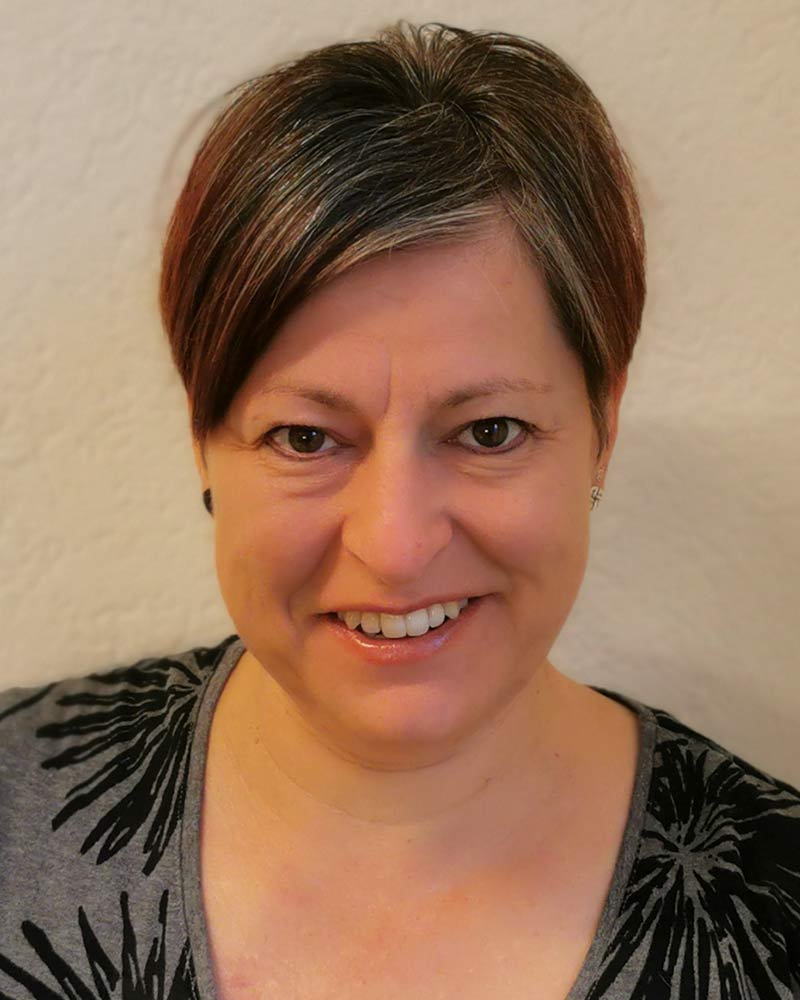
Dr. Patricia Krause: Who DBS Can Help in Parkinson’s
Deep brain stimulation can ease tremor, dyskinesia, and other movement symptoms in well-selected people with Parkinson’s. Neurologist Dr. Patricia Krause discusses DBS, brain pacemakers, risks, adaptive stimulation, and treatment that works in daily life.
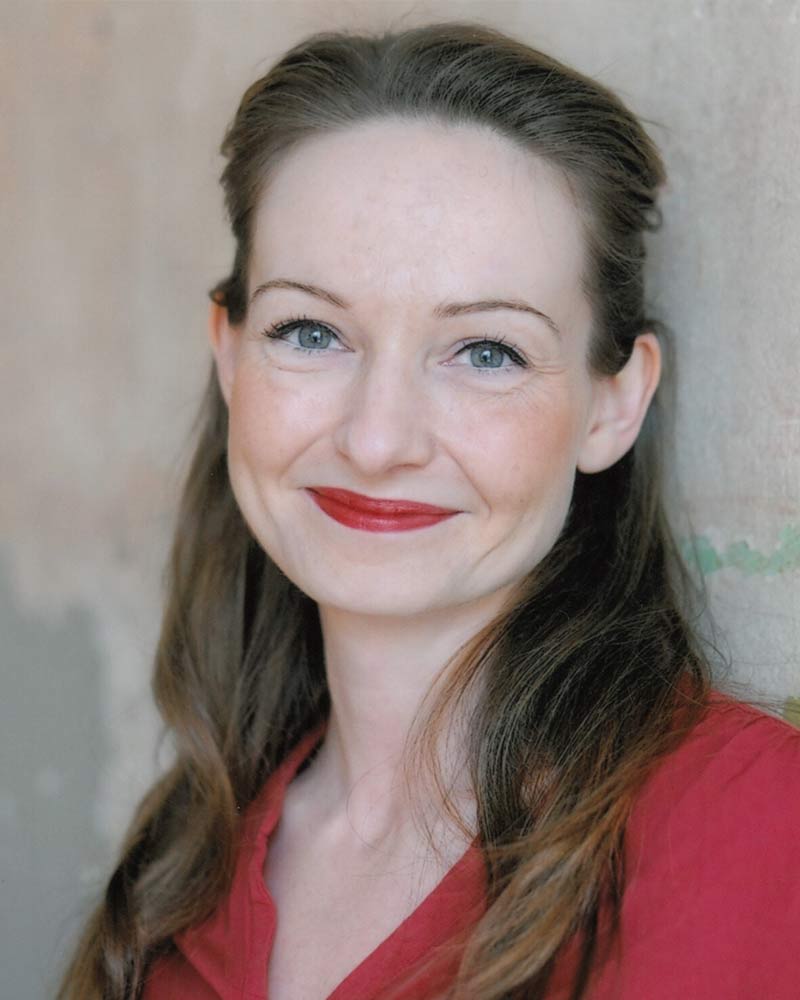
Dr. Krause, could you tell us a little about your career path? How did you come to neurology, and specifically to Parkinson’s disease?
During my studies, I realized that I was particularly interested in the field of neurology and that I wanted to read up on it and get involved. During my first clinical traineeship – the first internship you do during your studies – I spent four weeks in the neurology department at the Charité and had to deal with Parkinson’s patients, among other things, and that’s when I really got hooked. The patients interested me and were exciting, the staff were great, I quickly found my peer group and realized that I really felt at home in neurology.
What sparked your interest in deep brain stimulation, or DBS?
After medical school, I thought about where I would like to apply and looked into the various clinical and research groups at Charité. The movement disorders group stood out to me in particular. On the one hand, it was important to me that Parkinson’s disease is still a neurological condition where you can examine patients in a very hands-on way. I wanted to work diagnostically with patients without relying on too many devices — very much in the spirit of classical neurology.
On the other hand, when I was researching the group, I noticed that the team worked with DBS, and that was the icing on the cake for me. Contrary to the common belief that in neurology, and in Parkinson’s disease, there is nothing more you can do, I find that DBS, for example, can produce impressive changes in patients. And even though Parkinson’s is not curable, you can support people living with the disease with a great deal of knowledge and improve their quality of life for many years. I find that very fulfilling.
How does DBS work?
In medicine, important discoveries are often made somewhat by chance. And to some extent, that was also true for DBS. During surgery in neurosurgical patients with tremor and Parkinson’s, physicians observed that removing or destroying certain parts of the brain — in the latter case using heat — could reduce or even eliminate specific symptoms, such as tremor. Of course, that is irreversible, and any potential side effects from such procedures cannot be undone.
Based on that, the idea emerged that instead of destroying the brain area, one could implant an electrode into that area — which we know has an influence on tremor — and inhibit that predefined region by applying high-frequency electrical stimulation. The system works somewhat like a pacemaker for the brain: it modulates abnormal activity in disease-related brain circuits and helps ease disease-specific symptoms. However, if the stimulator is turned off, the symptoms return. So it no longer has the irreversible character of earlier operations. In addition, side effects can be reduced through individualized programming.
At some centers, high-intensity focused ultrasound treatment is also being used. This does not require opening the skull, which is a major advantage, especially for older patients. However, it is once again an irreversible procedure, because the treated areas in the brain are destroyed using ultrasound. Still, for older patients and for those who are not candidates for DBS, it can be a gentler alternative.
What criteria are decisive in determining whether DBS is a suitable treatment option?
You have to be absolutely certain that the person has Parkinson’s disease — and given the broad clinical heterogeneity, that is not always straightforward. In somewhat general terms, you can assume that DBS can achieve roughly what L-dopa achieves. That said, tremor, for example, sometimes does not respond well to medication. In precisely these cases, DBS can have excellent effects. For people with Parkinson’s who have dyskinesias, which can often be relieved very effectively with DBS, this therapy can also be a good option.
By contrast, pronounced speech or balance problems often do not respond as well to DBS and may even worsen with stimulation. People with dementia or significant cognitive impairment are also generally not suitable candidates for DBS. Last but not least, the patient must, of course, be in a physical condition that allows for such a long and complex surgery in the first place. So it is a highly individual and complex decision. That is why our patients are admitted to the hospital for about a week, so that we can realistically assess their health status and advise them thoroughly with our experienced team.
How do you work with patients who are skeptical about DBS?
For me, it is very clear that patients have to decide for themselves whether they want this surgery, provided we consider them suitable candidates. It is a complex operation, and irreversible damage can occur. Our neurosurgeons also explain very clearly that there is about a one percent chance of a brain hemorrhage. Of course, we take every precaution to avoid that, keep the risks as low as possible, and provide patients with detailed information. It is often also helpful for patients to speak with other people with Parkinson’s who already have DBS. They can talk much more directly about what it really means. They understand the fears and can share their experiences firsthand.
How has DBS changed or evolved in recent years?
DBS has been performed in Berlin since 1999, and the first procedures for tremor were carried out as early as the late 1980s. Since then, there have been major technological advances in particular. Where an electrode used to have four rings, today, depending on the manufacturer, there are eight or more contacts with different spacing, as well as segmented electrodes. This makes it possible to distribute the electrical current differently in space in order to reduce side effects. The pulse generators are becoming smaller and more powerful. Some are now rechargeable, which means that instead of lasting the previous five to six years, they can remain under the skin for up to 25 years without needing to be replaced. The patient controllers have also become much more compact and easier to use.
How do you see the future of DBS in Parkinson’s treatment?
For some time now, with electrodes from one company, we have been able to record brain activity from the area around the implantation site. In people with Parkinson’s, we know that the so-called pathological beta frequency predominates in the subthalamic nucleus. When medication or DBS is working well and patients are able to move well, this beta activity is low. But when symptoms worsen and the effect of medication wears off, or when DBS stimulation is turned off, beta activity is high.
From this, we can conclude that beta activity must be related to Parkinson’s disease and its symptoms. In the scientific context, we are trying to find out at which level of the electrode beta activity is highest and whether this might be the area that should definitely be stimulated. In the foreseeable future, the best-case scenario would be that stimulators can read this activity themselves and respond adaptively to beta activity. That could allow us to use less electrical current because the rhythm is detected more accurately and treatment can be targeted more specifically to the symptoms.
Can DBS cause problems in everyday life?
We have observed that it can sometimes become difficult when older patients with rechargeable devices move into a nursing facility. If they are no longer able to recharge the device themselves, its use often fails simply because nursing staff are not trained in handling it and do not take on the task. In such cases, patients can experience a major disadvantage despite having a good new therapy.
You head the Parkinson’s day clinic at Charité in Berlin. Could you tell us how the program is structured and what treatment outcomes you achieve with it?
I built and developed our day clinic together with Professor Kühn, who leads our Section for Movement Disorders and Neuromodulation. Of course, we are not the only day clinic in Germany, but I do think our concept is unique in this form. We treat our patients in the day clinic over a period of three weeks. One group comes to the day clinic every Monday, Wednesday, and Friday, while the other group comes every Tuesday and Thursday. This alternating concept has proven useful because we have observed that real-life adjustment is important.
On an inpatient ward, we often cannot fully meet patients’ needs. The realistic everyday environment is missing. Distances are short, meals are brought to them, and they have only a limited number of physical therapy and speech therapy sessions. In the outpatient setting, by contrast, we may not see them again for three months. If side effects occur in the meantime, patients may not be able to put our recommendations into practice, and we cannot intervene early.
In the day clinic, this works much better. If we suggest a change, patients can implement it the next day at home or in their work environment, and the day after that, they can tell us directly whether it worked or not, and we can adjust accordingly. It is simply a very real-world form of care. It is also quite demanding. First, patients have to come to the day clinic in the first place. Then they receive individual and group physical therapy and speech therapy, we offer tai chi, and, if needed, we can bring in occupational therapists or social services.
From the beginning, we have also had a psychotherapist in the day clinic because that aspect of patient care has always been very important to me. Patients need to understand the disease. They need to understand what happens in Parkinson’s disease and how it can be treated. And they first have to find their own way to accept the disease in some form. We cannot do that for them, but we can support them very well in the process.
Could you tell us about the research award you received for your project “CARE-PD — Caring for Family Members Without Becoming Ill Yourself”?
We know that we are always treating an entire system. Everything we do affects family members and the broader family structure. We try to support and empower caregivers as much as possible, while also showing them where they need to take care of themselves so that, in the end, the situation does not become defined only by conflict and burden. Based on this, our psychologist Ms. Bereswill, Dr. Reimer, and I want to develop a program to support family caregivers and, by doing so, help both them and our patients. We would like to adapt our psychoeducation program, which people with Parkinson’s already receive, to the needs of caregivers. This can also be done very well digitally because, of course, we do not want to place an additional burden on family members. But while patients are attending the day clinic, a window of time opens up for caregivers, and that could be used very well for this purpose.
What advice would you give to family members of people with Parkinson’s?
It is incredibly important to seek help. On the one hand, that can mean therapeutic support. But it can also mean creating small islands for yourself where you can recharge. If possible, caregiving responsibilities should be shared. And it is always important to communicate clearly that you have your own needs, too, and to talk about how those needs can also be met.
How important is collaboration between different disciplines in the treatment of Parkinson’s disease?
It is very important. In medicine today, the single all-knowing physician who can do everything no longer exists. And that is not because physicians are becoming less capable, but because medicine is becoming more and more complex and specialized. At the same time, especially in Parkinson’s disease, we have the problem that many other specialties — particularly in the outpatient setting — tend to immediately attribute a whole range of symptoms to Parkinson’s, even though they may occur independently of it or have other causes.
What would you like to see in Parkinson’s treatment over the next five to ten years?
With regard to DBS, I am looking forward to the next steps that will enable adaptive stimulation. It is not yet possible to say how quickly this will happen, but something will definitely develop in this area, and I am very excited to see where it leads.
From a health policy perspective, I would like to see the financial issues addressed. We are seeing more and more Parkinson’s patients, they are becoming older, and they require medical care for a much longer period of time. New reimbursement models are needed. At the moment, for example, community neurologists cannot bill for DBS programming, which means they do not do it. As a result, there are many patients who have a good therapy but cannot use it adequately. These things take time, and therefore they also need to be reimbursed.
Do you have an anecdote from your everyday professional life that you would like to share with us?
There is actually one story that still makes me smile. On the first day of my clinical clerkship as a student, my first patient was an older man with Parkinson’s. He was very kind, and I enjoyed caring for him. As a thank-you, he would always give me candies. Years later, when I had my first permanent position at Charité’s Virchow Clinic and was treating my first patient there, I kept thinking that he somehow looked familiar. But I simply could not place him. Until, at the end of the treatment, he pulled the candies out of his pocket. That was funny. We always have only a small window into our patients’ lives. I like that very much because it is a tremendous gift that they trust us in that way.
What message would you like to leave our readers with?
I would like to help them let go of the old images of Parkinson’s that they may know from their grandparents’ generation. Treatment options have improved so much over the past few decades that there is truly great reason for hope, and I want to encourage everyone. And you must never forget that there is an enormous amount you can do yourself that can have a positive effect on the course of the disease. You are not simply dependent on neurologists and medication. You can achieve a great deal on your own by staying active and actively engaging in life.
Thank you very much for the insightful conversation and all the best!


More exciting interviews
Martha Strubinger gives Parkinson’s care partners a voice of their own — speaking up about the burdens that often go unseen and calling for greater understanding in families, healthcare, and public life.
Therapy dog Ludwig brings joy to exercise: Prof. Dr. Carsten Eggers combines dog therapy, motivation, and self-efficacy in the treatment of Parkinson's disease.
Good Parkinson’s care does not happen in the doctor’s office alone. Carina Lummer focuses on regional networks that support patients and families beyond clinical care.
Monika Morgenthaler knows Parkinson’s from both sides — as a patient and as a caregiver. She talks about caregiving, family, ping-pong, and choosing to make room for joy.
Josefa Domingos approaches therapy from an everyday perspective—using creative movement techniques, building rapport with patients, and having the courage to rethink Parkinson’s care.
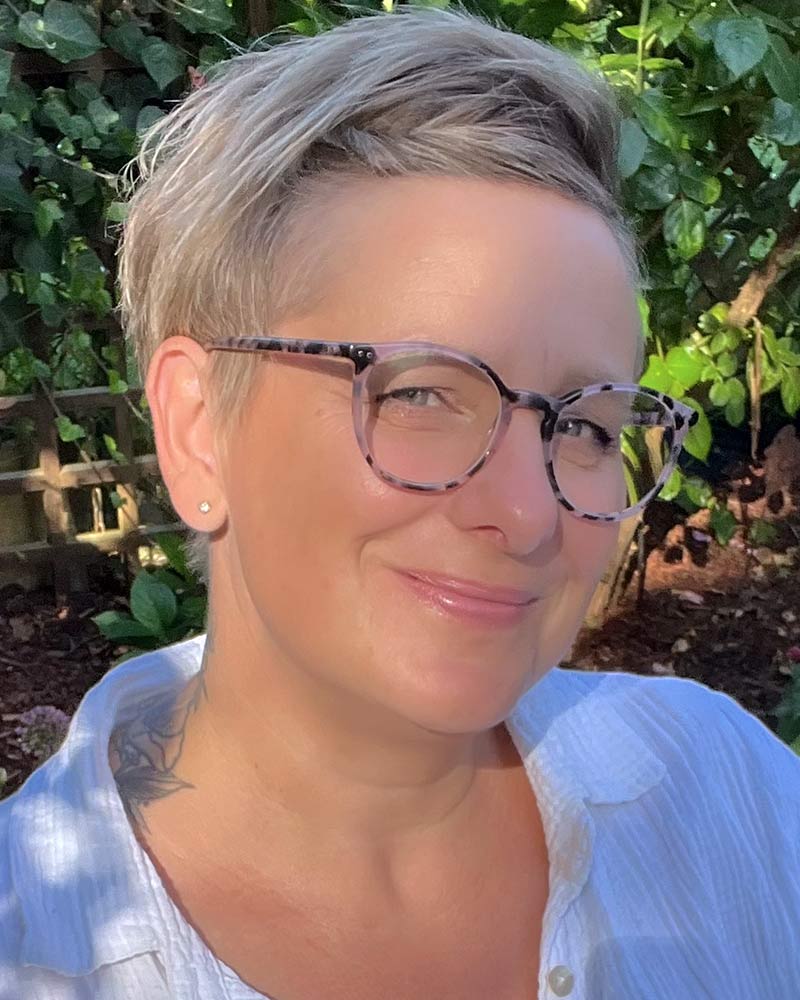
Melanie Giebel has learned to become an expert on herself. Through peer support, Instagram, and her radio show “Dopamine,” she encourages others to face Parkinson’s openly.
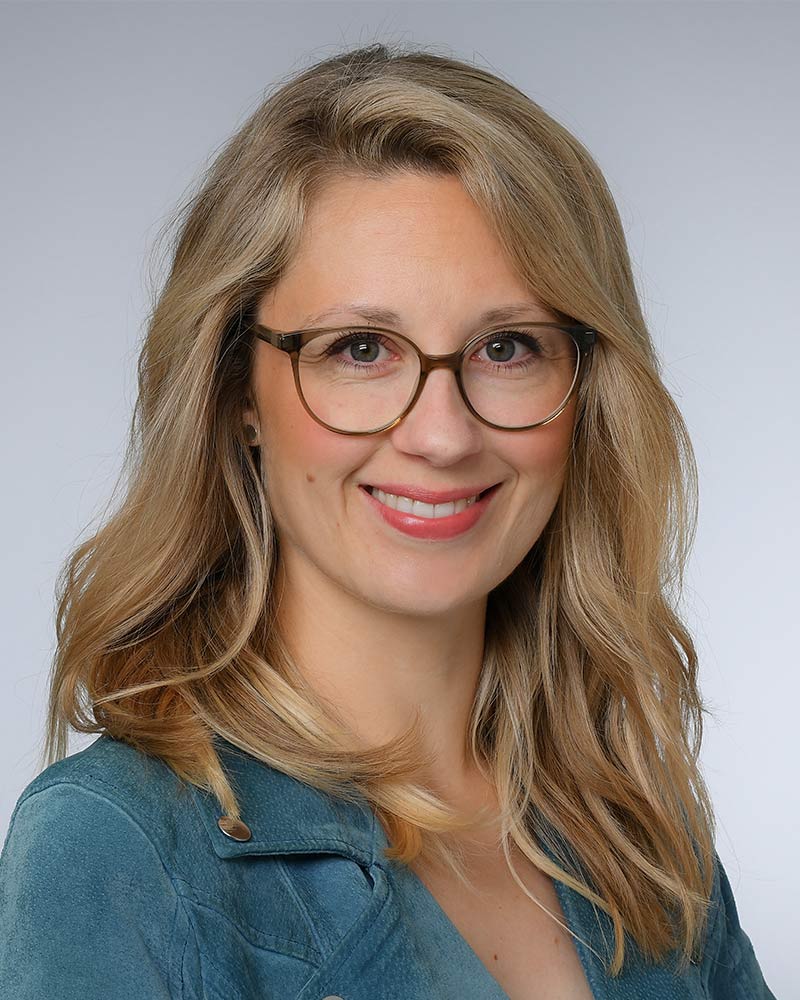
When the voice becomes softer, early support is essential. Dr. Tabea Thies discusses speech therapy, communication, and everyday safety.
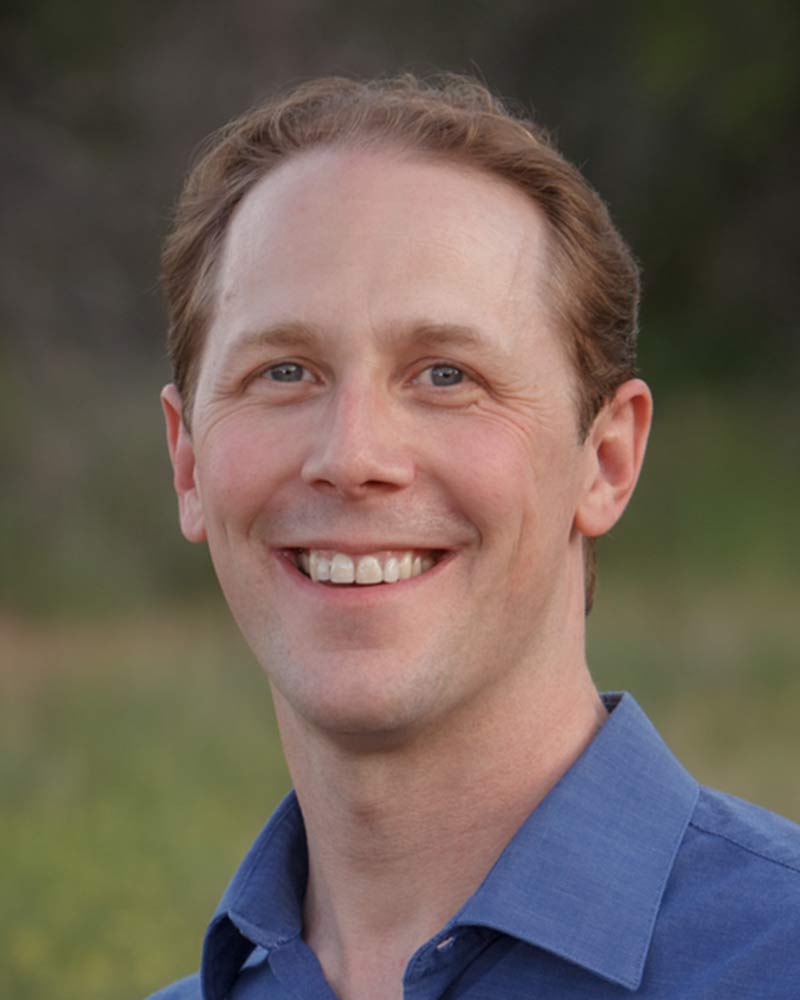
Speech therapist John M. Dean relies on digital therapy, exercise, and motivation—to ensure that support for Parkinson's disease reaches people where they live.
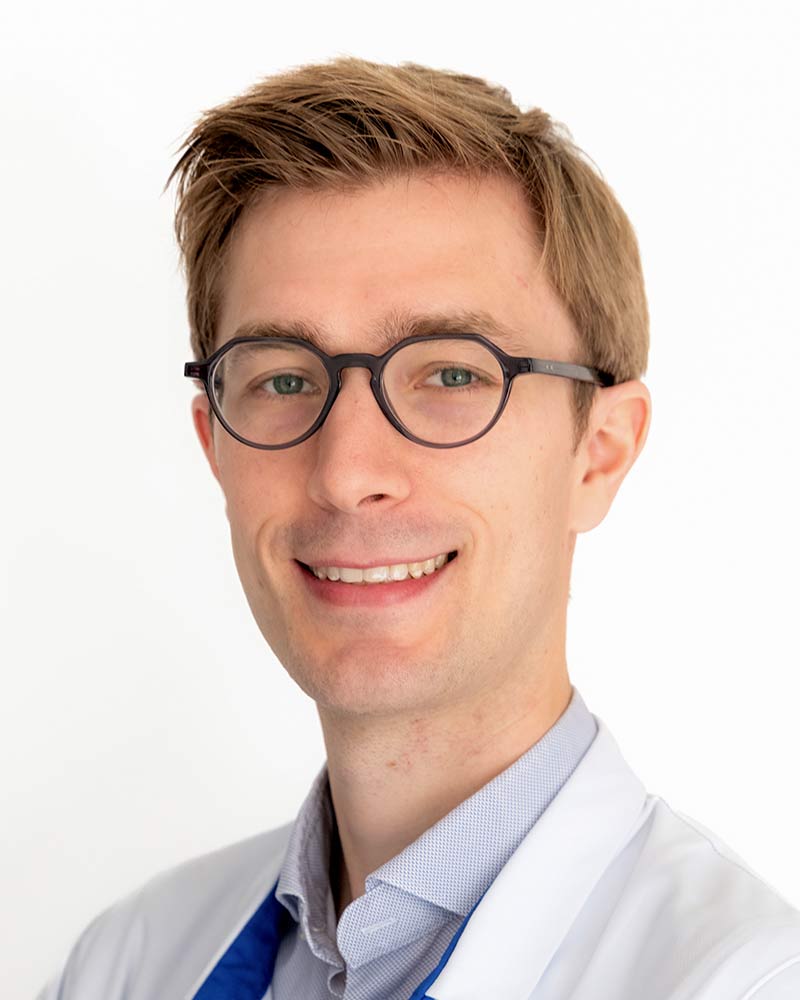
The gut may play a more important role in Parkinson’s than previously thought. Dr. Arnout Bruggeman discusses microbiome research and new therapeutic perspectives.
Silvia Lerch supports young people with Parkinson's through self-help, sports, and education—and shows just how much life is still possible despite an early diagnosis.