Josefa Domingos: New Physical Therapy Approaches for Parkinson’s
From trampoline training and dance to boxing, aquatic therapy, and dual-task exercises, physical therapist Josefa Domingos shows how creative Parkinson’s physical therapy can build confidence, support motivation, and bring movement into daily life.
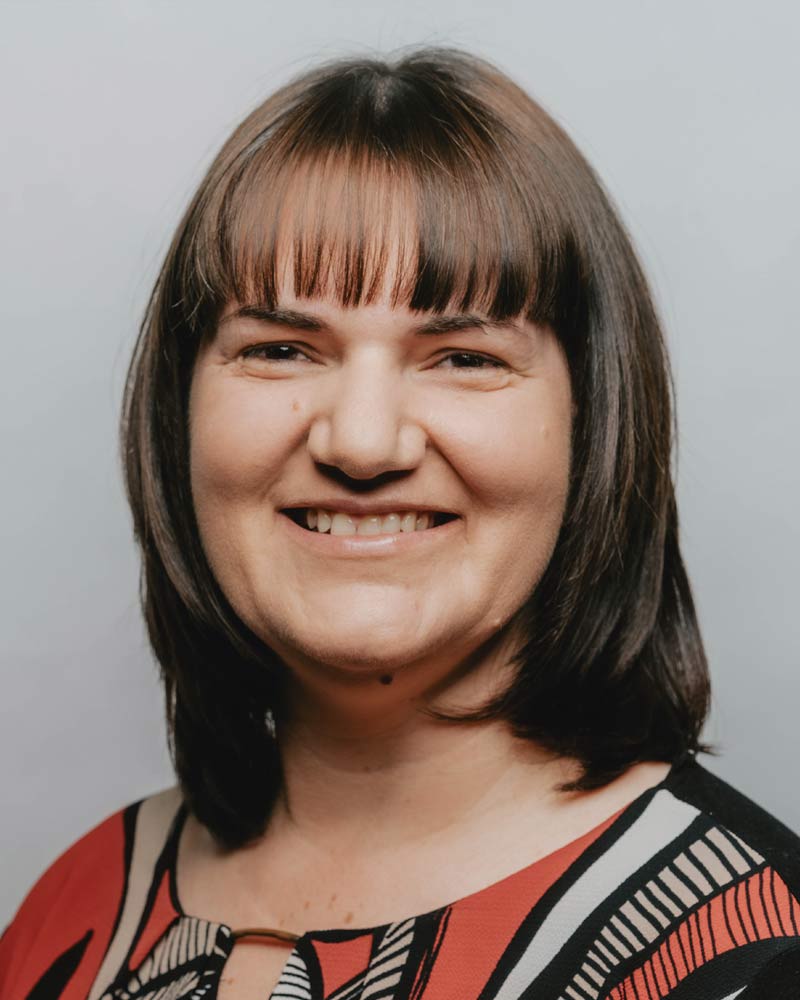
Ms. Domingos, could you tell us about your path into physical therapy — and what led you to specialize in Parkinson’s?
My entry into physical therapy was rather unconventional from the very beginning. While I was still studying, I arranged an internship for myself at a public health center. I was the only physical therapist there, and no one really knew exactly what I did. I was young, motivated, and simply wanted to start working with people.
My first encounter with Parkinson’s happened more or less by chance. During a home visit, a nurse was having trouble straightening a patient’s arm to take her blood pressure and said, “Well, we have a physical therapist now — why don’t we ask her?” So I went, without any specific expectations. I wanted to help — and at the time, that was my only measure of success.
I looked at the situation and, instead of working only on the arm, decided to go further. I helped the patient get out of bed, and we took her first steps. She had not walked in a long time. For me, it was an overwhelming experience: I had just helped a woman who had been considered bedridden walk again. And in my youthful idealism, I thought: If this is possible, then so much more must be possible.
That experience stayed with me. I contacted the Parkinson’s association, which at the time was little more than a makeshift office. I suggested developing an exercise program for people with Parkinson’s — at a time when, in Portugal, even medical training included very little about the disease. The idea that people with Parkinson’s should exercise or train actively was almost considered absurd. But I was convinced that movement could help, so I proposed introducing physical therapy services at the Parkinson’s association. And that is how it all began. Over the years, I was able to show not only that people felt better, but also that they remained stable longer than expected.
What keeps your motivation alive today — especially in your daily work with people living with a progressive disease?
What drives me every day is the fact that I am constantly learning. Every therapy session is a learning moment for me. I listen, observe, ask questions — sometimes together with my patients. We think things through together: symptoms, everyday situations, possible solutions.
I find it strange when therapists teach at universities without still working with patients themselves. Not only because clinical practice is constantly changing, but because that is exactly where inspiration and learning happen. I, too, could step back, teach, and publish — but I would lose something in the process: the real stories, the small observations, the human connection, everything you can only experience through direct contact.
I do not believe that you are ever “finished” in clinical care. The moment I think I know something for certain, something happens that makes me question it again — in the best possible sense. That uncertainty keeps me alert and curious. And that may be the most important driving force in my work.
How do your personal values shape your approach to therapy?
I think it is actually the other way around: working with people with Parkinson’s has shaped me as a person. Over all these years, I have spoken with so many older adults, learned about their daily lives, and listened to their stories. These encounters have shaped my values.
I did not simply treat people at the Parkinson’s association. I listened to them, helped with events, answered phone calls, and wrote newsletters. I became part of their lives and their stories. And precisely that closeness showed me how much dignity, thoughtfulness, and humor people can bring to life with this disease.
I truly try to put myself in their shoes — not as a figure of speech, but as a deeply held attitude. Many patients tell me I can read their minds, simply because I have heard the same worries, the same patterns, and the same words so many times before. That connection is at the center of my work.
You introduced trampolines into Parkinson’s therapy — a rather unusual method. How did that come about, and what has your experience been?
The idea came from a very practical observation: We constantly talk about preventing falls. But in real life, falls happen — suddenly and unpredictably. I began asking myself: What if, instead, we trained people’s response to a fall?
The trampoline provides an ideal environment for this. It allows people to practice unstable situations — exactly the kinds of situations that cause problems in everyday life — within a safe setting. The surface is soft, the movement stimulus is strong, and the fear of falling is lower.
It all began with a woman with young-onset Parkinson’s: Sara Riggare from Sweden, who was very open to new approaches. She is an engineer and observes herself with great precision. When she visited me in Portugal, I had just heard about a new trampoline park in Lisbon. Because she had difficulty with freezing of gait, we decided simply to try it.
Already in that very first session, it became clear that the potential was enormous. Her reaction speed increased, she moved with greater confidence, and she left the session with a noticeable gain in stability that lasted for several days. There is a video that shows our work and the excellent results very well.
But we quickly realized that if we wanted this method to become usable for other people as well, we needed a solid foundation. So we developed a research study together to examine whether this type of training was safe, feasible, and effective. The results were consistently positive.
What pleased me most was that the people who were most afraid of falling at the beginning benefited the most. They gained a new sense of safety — and that often changes more than anything I can achieve in a traditional clinical setting.
Together with your husband John Dean, you have developed so-called dual-task exercises. What is special about them – and why are they so important for people with Parkinson’s?
What is often overlooked is that slowness of movement in Parkinson’s is not only a motor issue. Very often, the underlying problem is cognitive overload or distraction. People do not simply become “slower”; they become slower especially when they have to think, speak, or do several things at once.
That is why movement exercises alone are not enough. We have to challenge the brain at the same time. We do this by combining walking with speaking, cognitive tasks, or processing information.
John and I developed a program together that specifically integrates speech, cognition, and movement. At first glance, it looks very simple — but in practice, it is highly demanding and, at the same time, very effective. Because in real life, movement, speech, and thinking never happen in isolation; they are constantly intertwined.
The results are impressive: participants respond more quickly, move more fluidly, and gain a much stronger sense of confidence — especially in social situations.
Of course, it is also challenging. It takes a great deal of sensitivity to find the right balance between difficulty, intensity, and enjoyment. No one should feel overwhelmed or exposed. The goal is not to “pass” a test, but to develop abilities together — step by step.
You work with movement-based approaches such as dance, aquatic therapy, Zumba, boxing, and even climbing. How do your patients respond to these approaches — and what do these rather unusual methods achieve?
I try many things — and I only keep what resonates with patients. Boxing, for example, has an astonishing effect: it promotes strength, coordination, and speed, and it gives people a sense of control. People with Parkinson’s often experience a loss of control over their bodies. Through boxing, they regain a piece of that control.
Zumba is a personal favorite of mine. I have completed many trainings, but the Zumba training was the most exhausting — two full days of dancing, almost without a break. But it was worth it. The music, the energy, the joy — all of that carries over to the patients. Dance in general is underestimated. It is not about perfect steps; it is about moving with rhythm, expression, and emotion. I have seen people who could barely walk come alive through dance.
Climbing, in turn, is a wonderful way to package strength training. Of course, it is not for everyone, but some people love it. It requires courage, coordination, and determination. And once someone succeeds, it creates an enormous sense of achievement.
Some of these offerings seem quite bold. How do you address fears or reservations?
I always invite people simply to try — without any obligation. A trial session, a conversation, trying something together. I observe very carefully who is open to something new and who is looking for more security. I do not want to persuade anyone; I want to offer options that fit. That is why I have a broad range of exercises and therapeutic approaches: from calm training in the pool to the climbing wall. The point is not for everyone to do everything.
The point is for each person to find something that suits them — something that motivates them, brings them joy, and, most importantly, gives them the solutions they are looking for.
You work internationally and have traveled to many countries. What differences do you see in Parkinson’s care and in attitudes toward exercise?
Culture has a major influence on how people respond to medical recommendations. In the United States, for example, many people with Parkinson’s follow advice very conscientiously — often without questioning it very much. In Portugal, or in many parts of Europe, people tend to ask more questions. They want to understand, and they want to know all their options. This probably also has to do with the type of care — whether the focus is more on concrete exercise training or on teaching strategies for self-management.
But no matter where you are in the world, one thing is true everywhere: joy can have an enormous effect. When people laugh, feel comfortable, and motivate one another, something begins to move.
I have seen exercises work beautifully in one country and not at all in another. Often, the issue was not the content, but the cultural approach. That is why it is so important to understand cultural differences, stay open, and keep adapting.
You offer many online courses and training programs — an area you used to view rather critically. What changed your mind?
I was a real skeptic when it came to technology. Without my husband John, who was enthusiastic about digital formats, I probably never would have started. But then the pandemic came, and suddenly digital support was not only helpful, but necessary.
Through online courses and training programs, people can train more regularly, and often more frequently than before. Some join every day, in addition to in-person physical therapy. As a result, progress becomes visible much more quickly.
What especially convinced me was this: online, you can create offerings that do not exist locally. A specialized Parkinson’s dance class, dual-task cognitive training, a dedicated discussion group — all of this can be implemented extremely well online.
How do you make sure these offerings remain accessible, including for people with limited financial means?
That is very important to me. That is why I work with nonprofit organizations. The courses and training programs are free, funded by foundations, research projects, or grants. As soon as you start charging money — even if it is only a symbolic contribution — the dynamic changes. People may lose trust and feel excluded.
I believe nonprofit structures carry more responsibility than we often give them credit for. They can create access that would otherwise not be possible.
You are also strongly involved in training healthcare professionals, including in Portugal through the YPPnet project. What is that about?
We want to build a network—for young people with Parkinson’s and for professionals who want to specialize in this field. People often ask me, “Do you know anyone in my area?” And all too often, I have to say, “Unfortunately, no.”
That’s why we offer training programs, connect therapists, and facilitate knowledge exchange.
The goal is for every person with Parkinson’s in Portugal to have access to competent, committed support.
What advice would you give to people who have just received a Parkinson’s diagnosis and feel overwhelmed?
First of all: you have time. You do not have to change everything right away. I often say: You are the same person today that you were yesterday. And you will still be that person tomorrow. It is about accepting the diagnosis — at your own pace. Movement and conscious health decisions will become important. But not today. Today is about breathing, understanding, and finding your bearings. I do not believe in overwhelming people with recommendations immediately. That only creates pressure and does not help.
And how can family members be meaningfully involved in this process?
They play a crucial role. Sometimes they are an enormous resource — and sometimes they can also become a burden. I always pay very close attention to the family dynamic. Who takes responsibility? Who provides support? Who dominates?
Sometimes it is helpful to talk together — about expectations, worries, and misunderstandings. Sometimes clear boundaries are also needed. Not every person with Parkinson’s wants to be constantly monitored or reminded of appointments.
Respecting the autonomy and personal preferences of the person affected can lead to a healthier dynamic — and enables them to take an active role in decisions about their treatment. When support and independence are in balance, an environment emerges that strengthens dignity and truly empowers people with Parkinson’s. What matters is that everyone involved feels seen — and that they learn to speak with one another, not about one another.
Is there a patient story that has particularly moved or shaped you?
Yes, there is. A gentleman with an atypical form of parkinsonism was my first patient referred directly by a physician. He was a judge. We worked together very intensively for years: three times a week, two to three hours a day. He made incredible progress. At the time, the physician had said there was nothing more he could do for him and referred him exclusively to physical therapy.
That one case changed many things. The physician took notice, and other colleagues also began to rethink the role of rehabilitation. Today, I am convinced that this one encounter helped change the landscape of Parkinson’s physical therapy in Portugal in a lasting way.
Later, this man died of cancer. Attending his funeral was a very emotional moment for me. I cried — not only for him, but also for everything we had gone through and achieved together.
But I am grateful. Because I can see that this one story opened the door for many others.
Thank you very much for speaking with us, and all the best for your continued work.

More exciting interviews
Melanie Giebel has learned to become an expert on herself. Through peer support, Instagram, and her radio show “Dopamine,” she encourages others to face Parkinson’s openly.
Silvia Lerch supports young people with Parkinson's through self-help, sports, and education—and shows just how much life is still possible despite an early diagnosis.
Speech therapist John M. Dean relies on digital therapy, exercise, and motivation—to ensure that support for Parkinson's disease reaches people where they live.
Martha Strubinger gives Parkinson’s care partners a voice of their own — speaking up about the burdens that often go unseen and calling for greater understanding in families, healthcare, and public life.
Therapy dog Ludwig brings joy to exercise: Prof. Dr. Carsten Eggers combines dog therapy, motivation, and self-efficacy in the treatment of Parkinson's disease.
A brain pacemaker can significantly alleviate Parkinson's symptoms. Dr. Patricia Krause determines who is a candidate for deep brain stimulation.
The gut may play a more important role in Parkinson’s than previously thought. Dr. Arnout Bruggeman discusses microbiome research and new therapeutic perspectives.
When the voice becomes softer, early support is essential. Dr. Tabea Thies discusses speech therapy, communication, and everyday safety.
Monika Morgenthaler knows Parkinson’s from both sides — as a patient and as a caregiver. She talks about caregiving, family, ping-pong, and choosing to make room for joy.
Good Parkinson’s care does not happen in the doctor’s office alone. Carina Lummer focuses on regional networks that support patients and families beyond clinical care.