Dr. Arnout Bruggeman: The Gut Microbiome’s Role in Parkinson’s
At Ghent University Hospital in Belgium, neurologist Dr. Arnout Bruggeman studies how the gut microbiome and Parkinson’s are connected. He discusses why fecal transplants are being researched and how microbiome science could open new treatment paths.
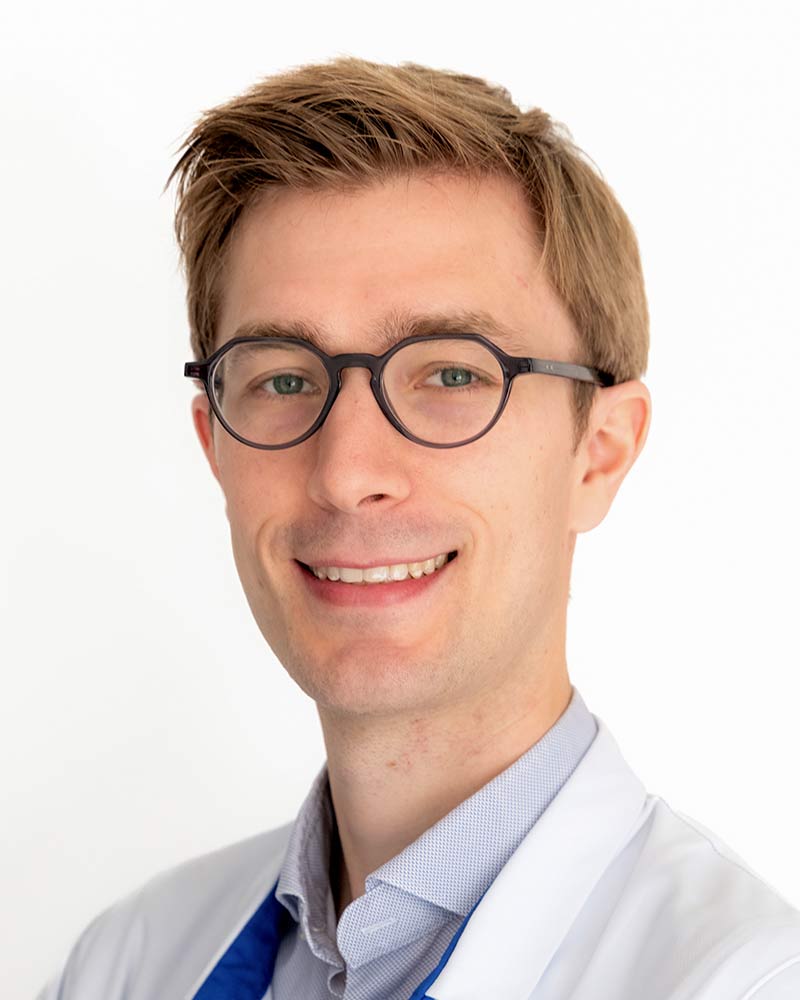
Dr. Bruggeman, you focused on neurology, and specifically on Parkinson’s, early in your career. What led you in that direction — professionally and personally?
It was a path that became more and more firmly established over time. I began my residency training in neurology in 2016 and started my PhD at the same time. From the very beginning, the so-called gut-brain axis was at the center of my scientific interest — and in Parkinson’s, it is particularly fascinating. In the first few years, I worked with animal models to understand how the gut influences what happens in the brain in these models. And the more I read and experimented, the clearer it became: there is a great deal of evidence suggesting that the microbiome — meaning the bacteria and other microorganisms in the gut — plays a larger role in neurodegenerative diseases than previously thought.
But I am not only a researcher; I am also a physician. I enjoy working with patients, listening, observing, and learning from conversations. And in these conversations, it became clear again and again how many people with Parkinson’s had experienced digestive problems or other symptoms for years before their diagnosis — symptoms that, at first glance, seem to have nothing to do with the brain. That made me even more curious and ultimately led us to launch a clinical study that places the microbiome very deliberately at the center.
The study you mentioned is the so-called GUT-PARFECT study, which was published in 2024. Can you briefly explain what it was about for laypeople?
It was a randomized, placebo-controlled, double-blind study. This means that during the study, neither the participants nor the treating clinicians knew who was receiving which treatment, and there was a true comparison group. We investigated the effect of what is known as fecal microbiota transplantation, or FMT, in patients with mild to moderate Parkinson’s disease. At first, that may sound unusual to some people. But essentially, the idea is to transfer the gut microbiome of a healthy person to a person with the disease in order to improve the bacterial balance in the gut.
The idea behind it is not new. FMT has been used successfully for many years to treat severe intestinal infections, particularly Clostridioides difficile. But this approach is new for Parkinson’s disease. We wanted to know what happens when the disturbed microbiome in Parkinson’s is specifically replaced by that of a healthy person. Are there measurable effects on motor symptoms? Does well-being change? We followed patients for twelve months after transplantation and recorded a large number of parameters.
How exactly does such a transplant work?
First of all, there are very strict selection criteria for donors. In our case, the stool samples were provided by a specialized stool bank center. Only a small percentage of applicants are accepted as donors there; there are comprehensive medical tests and exclusion criteria. I, for example, could not be a donor myself because I work in a hospital. The risk of transmitting resistant germs would be too high.
Once the sample has been selected, it is processed in the laboratory within a few hours: bacteria are extracted and dissolved in a liquid. This bacterial solution — about 200 milliliters — is then administered to the recipient. In our study, we inserted a tube through the nose, passing through the esophagus and stomach into the small intestine. Once the correct position was confirmed, the solution was slowly released into the small intestine. That may sound involved, but it is a safe and well-established procedure in practice. Participants had to do a bowel cleanse beforehand, similar to what is done before a colonoscopy, and remained under observation for about an hour after administration before they were able to go home.
What were the biggest challenges in conducting the GUT-PARFECT study?
The timing alone was difficult because we were about to start the study when the COVID pandemic began. That delayed many things and raised new methodological questions for us. What does COVID mean for the microbiome? Could an infection distort our data? Fortunately, we were able to use donor samples that had already been collected before the pandemic, so we could exclude that factor.
Another issue was the placebo effect. In our study, the placebo group did not receive a saline or water injection, but underwent an autologous transplant — meaning they were given their own gut microbiota back. At the time, this was considered the best placebo. However, it turned out that this group also showed clear improvements in motor symptoms at the beginning, which then faded again. In the treated group that received donor bacteria, by contrast, the improvement remained over twelve months and exceeded the threshold considered clinically relevant.
What key findings did you observe regarding motor symptoms?
We recorded the motor symptoms using the MDS-UPDRS scale – this is an internationally established scale for assessing motor Parkinson’s symptoms. Measurements were taken during a so-called off-state, i.e. at a time when the Parkinson’s medication has no effect. In the treated group – patients who had received a transplant with healthy donor bacteria – there was a continuous improvement in motor symptoms over the twelve months compared to the baseline value. In the placebo group, however, there was an initial improvement after six months, which can be interpreted as a classic placebo effect, but after twelve months this effect was no longer detectable.
What is particularly relevant here is that the improvement at the end of the study was more than 3.25 points on the MDS-UPDRS scale — a threshold considered clinically significant. In other words, this was not just a statistical change, but one that patients could actually feel in everyday life.
Were there any other interesting observations, for example in non-motor symptoms?
One secondary aspect of the study was what is known as gut transit time — the time it takes for food to move through the digestive tract. For this, participants swallowed a metal-containing capsule every morning for six days, and on the seventh day, we used an X-ray image to count how many capsules were still in the body. Fewer remaining capsules mean faster digestion and less constipation. Here, too, we saw a clear difference in favor of the treated group after just three to six months. That is exciting because it suggests that changes in the gut appear earlier than improvements in motor symptoms.
Were these results what you expected, or were there surprises as well?
What we are still evaluating at the moment are so-called post-hoc analyses. We want to find out whether there are certain characteristics that can predict whether someone will respond particularly well to FMT or not. There were clear differences in effectiveness. Some people benefited greatly, while others hardly benefited at all. Originally, we assumed that patients with many non-motor symptoms, such as severe constipation, fitting the so-called body-first subtype of Parkinson’s, would respond particularly well. But this was not clearly confirmed. So we have understood that it is more complicated than we initially thought. And that is exactly what makes the research so important.
Are there any long-term observations beyond the twelve-month period?
There were no standardized follow-up examinations beyond the first year in our study – this was not planned methodologically. But we still maintain informal contact with these patients. Some report that they still feel positive effects today, more than a year later. But this is of course individual and not systematically recorded.
You mentioned the “body-first” subtype. Could you briefly explain what that means?
This is a theoretical model that assumes that Parkinson’s has different pathways. In the “body-first” variant, the disease process presumably begins outside the brain – in the gut, for example. Changes are found there at an early stage, such as deposits of the protein alpha-synuclein, which is otherwise typical of the Parkinson’s brain. These protein aggregates could then enter the central nervous system via the vagus nerve, which connects the gut to the brain. In contrast, there is also the “brain-first” variant, in which the changes begin primarily in the brain – possibly in the olfactory bulb. Both variants are the subject of intensive research, and this distinction may also explain why some therapies work better in certain patients than in others.
Is there evidence that the microbiome can also influence how medications work?
Yes, this is a very exciting area. Laboratory data show that certain gut bacteria can metabolize levodopa — the most important symptomatic medication for Parkinson’s — before it even reaches the bloodstream. That means if these bacteria are present in greater numbers in the gut, the effectiveness of the medication may be reduced. Whether, and to what extent, this plays a role in patients’ daily lives is not yet fully understood. But it is definitely an area we want to investigate more closely, because when we talk about personalized medicine, the microbiome has to be included as well.
What can people with Parkinson’s do in practical everyday terms to strengthen their microbiome — independently of FMT?
That is an important question, especially because FMT is currently not a standard therapy, but a procedure being tested in clinical research. Two factors that are thought to have a positive effect on the gut microbiome are exercise and diet.
Of course, regular exercise itself has already been shown to be beneficial in Parkinson’s disease. Studies show that a Mediterranean diet — meaning rich in fiber, with plenty of vegetables and fruit, more fish than meat, and healthy fats — can have positive effects on bacterial diversity in the gut. These fibers provide food for certain “good” bacteria, including those that produce short-chain fatty acids. These, in turn, have anti-inflammatory effects and help stabilize the gut barrier. However, further studies are needed to determine whether dietary changes can have a positive influence on the course of the disease.
Do you see FMT more as a short-term measure or as one component of a long-term therapy?
The long-term hope is very clear: that this research will help us better understand how the microbiome affects the brain, and that on this basis, we can develop new, targeted therapies. That does not necessarily always have to mean a transplant. Perhaps, at some point, we will be able to specifically recreate or promote certain bacterial functions — in the form of a medication or a special dietary therapy.
At present, FMT could also be viewed as a research tool. It is currently the most effective way to change the microbiome on a larger scale and over a longer period of time. Other methods, such as antibiotics or probiotics, also have an influence, but often only in the short term or with unclear effects. The microbiome landscape in the gut is like an ecosystem. If you intervene only in isolated places, it usually returns to its original state. FMT allows for a more comprehensive intervention in this system, but it is complex and resource-intensive.
What would need to happen for FMT to one day be approved as a standard therapy?
We need further well-controlled studies with larger sample sizes and comparable methods. Another recent, well-designed FMT study from Finland was unable to demonstrate clinically meaningful improvements.
However, there were several methodological differences between our study and the one from Finland. We need to better understand which factors influence the success of the therapy: Is the donor decisive? Or the recipient? Or the type of application? In our study, we had 17 different donors – some patients received material from the same donor, but showed very different reactions. This indicates that the characteristics of the recipients – i.e. their individual microbiome, immune status or genetic factors – also play a role.
In our next planned study, supported by the VIB Grand Challenges Program, which will be conducted as a multicenter study with colleagues from Belgium and the Netherlands, we want to investigate precisely these methodological questions. What makes a “good” donor? Who benefits most from FMT? How should it be administered — through a tube, in capsule form, or via colonoscopy? And should FMT be repeated after a certain period of time?
Another point is communication. For many people, FMT still causes a certain discomfort. How do you address this skepticism?
That is completely understandable. Many people initially think of FMT as something unpleasant or “disgusting.” That is why education is so important. In the study, I took a lot of time to explain the background and the scientific logic. When people understand why we view the gut as a therapeutic target, what the microbiome can do, and how carefully FMT is prepared, much of that aversion disappears.
In addition, the actual procedure is far less stressful than many people assume. The solution that is administered is a sterile liquid – no one sees or smells any of it. The feedback from participants was consistently positive. Many said: “It was much less bad than I had feared.” And it is not uncommon to sense how great the hope is that such a therapy can really make a difference. In addition, many Parkinson’s patients have digestive problems from an early age and can therefore well understand that intestinal health can be important for the treatment of Parkinson’s disease.
What role might antibiotics or probiotics play in future microbiome therapy?
Antibiotics act broadly and non-specifically. They wipe out good and bad bacteria alike. In addition, their effect is usually only temporary; the microbiome often returns to its original state after treatment. That is why I do not see antibiotics as a stand-alone option, but rather as a possible preparation or supportive measure.
With probiotics, the problem is that we still know too little about which bacterial strains truly have a positive effect — and for whom. There are countless products on the market, but very little clinical evidence showing which of them actually work. We urgently need more research here before clear recommendations can be made. For that reason, I am cautious when it comes to making specific recommendations for particular probiotics.
Which findings from your research so far would you like to explore in greater depth in future studies?
One important point is the selection and combination of donors. We have very strict selection criteria, but we still do not have a clear picture of which donor profiles are especially suitable. Perhaps there are even so-called “super-donors.” Conversely, we also want to better understand which patients respond particularly well to FMT — and why. Is it the microbiome, age, disease course, or inflammatory status?
I am also interested in the question of whether, and how, the microbiome can influence the effectiveness of levodopa. If certain bacteria break down this medication before it reaches the blood, entirely new strategies for optimizing drug effects could emerge from this.
And last but not least, there is the question of practical implementation: Which form of administration is most effective — tube, colonoscopy, or capsule? And how often would FMT need to be repeated? Annually, or better based on symptoms? All of these questions remain open.
What gives you personally hope for the future of Parkinson’s therapy?
When I look back over the past ten to twenty years, I see enormous progress — both in diagnostics and in research. What gives me particular hope is the diversity of approaches. We are no longer focusing only on one target, such as alpha-synuclein, but are thinking more broadly — whether through the immune system, inflammatory processes, or the microbiome. And we are seeing interdisciplinary teams from clinical care, basic research, and technology come together.
When I look to the future, I hope to see parallels with multiple sclerosis. For a long time, there were hardly any treatment options for MS. Today, there are many targeted, effective treatments. I am convinced that we are on the verge of a similar breakthrough in Parkinson’s. And I hope that soon we will not only be treating symptoms, but actually slowing or influencing the course of the disease.
Thank you very much for this fascinating conversation. We wish you every success with your future research.



More exciting interviews
Silvia Lerch supports young people with Parkinson's through self-help, sports, and education—and shows just how much life is still possible despite an early diagnosis.
Melanie Giebel has learned to become an expert on herself. Through peer support, Instagram, and her radio show “Dopamine,” she encourages others to face Parkinson’s openly.
Martha Strubinger gives Parkinson’s care partners a voice of their own — speaking up about the burdens that often go unseen and calling for greater understanding in families, healthcare, and public life.
Monika Morgenthaler knows Parkinson’s from both sides — as a patient and as a caregiver. She talks about caregiving, family, ping-pong, and choosing to make room for joy.
Josefa Domingos approaches therapy from an everyday perspective—using creative movement techniques, building rapport with patients, and having the courage to rethink Parkinson’s care.
Good Parkinson’s care does not happen in the doctor’s office alone. Carina Lummer focuses on regional networks that support patients and families beyond clinical care.
Speech therapist John M. Dean relies on digital therapy, exercise, and motivation—to ensure that support for Parkinson's disease reaches people where they live.
Therapy dog Ludwig brings joy to exercise: Prof. Dr. Carsten Eggers combines dog therapy, motivation, and self-efficacy in the treatment of Parkinson's disease.
A brain pacemaker can significantly alleviate Parkinson's symptoms. Dr. Patricia Krause determines who is a candidate for deep brain stimulation.
When the voice becomes softer, early support is essential. Dr. Tabea Thies discusses speech therapy, communication, and everyday safety.