Melanie Giebel: You Have to Become Your Own Expert
Diagnosed with Parkinson’s at 38, Melanie Giebel found her own way after years of uncertainty and difficult medication side effects. She discusses movement, support groups, her radio show “Dopamine,” and the importance of becoming your own expert.
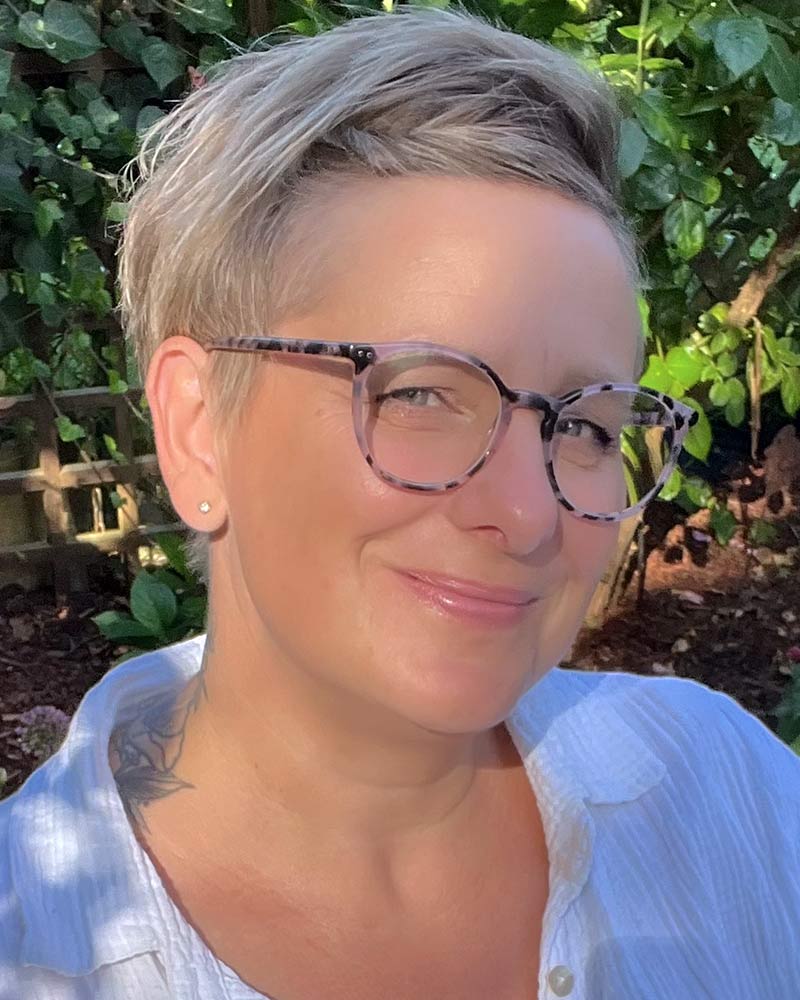
Could you tell us about your Parkinson’s journey? When and how were you diagnosed, and how did you take the news at the time?
My path to diagnosis was quite unusual. I was being treated at a hospital pain clinic for severe migraines. While I was there, a doctor noticed a tremor on my left side — a shaking that I had barely noticed myself, but that my daughter had picked up on years earlier. She had often asked me why my hand trembled when I was reading the newspaper, or why I took such tiny, shuffling steps when walking downhill.
Looking back, I realize that the disease had begun long before the diagnosis. For years, I had suffered from severe back pain, suspected intestinal inflammation, and other symptoms that no one could really explain. No one thought of Parkinson’s — least of all me.
When the suspicion was finally raised, I pushed it away at first. To me, Parkinson’s was a disease of older people. The idea that I could have it at age 38 simply seemed unimaginable.
What was it like to receive the diagnosis at age 38?
At first, it was a feeling of total overwhelm. I was in the middle of my working life, I was a mother, I had a large house, an active life — and suddenly I was supposed to have a chronic disease that would change everything.
After the first suspicion came a DaTscan, but it was misread. That made me even more uncertain. The neurologist said we would simply have to “wait a few years.” But I could not and would not accept that. I am someone who needs to know where things stand. That uncertainty was driving me completely crazy inside.
So I went to a specialized Parkinson’s outpatient clinic at a university hospital, underwent extensive testing — and after two years, the diagnosis was finally clear: Parkinson’s.
As painful as that certainty was, it was also a relief. Finally, what I had been experiencing had a name. Finally, I could begin to take action.
What were your biggest challenges in the first years after the diagnosis?
The first years were incredibly difficult. In addition to the emotional strain, I mainly struggled with medication side effects. At first, I was prescribed dopamine agonists — with devastating consequences: I could barely sleep, often only an hour and a half or two hours per night. I developed an impulse control disorder, especially binge eating. Within a very short time, I gained almost 20 kilograms, or about 44 pounds. My body, which was already weakened, deteriorated rapidly.
What was especially bitter was realizing that the medications were harming me more than helping me. At the same time, I still believed I had to follow the standard treatment path.
I also developed vision problems, and even today, doctors do not know where they came from: I do not just see double; at times, I see multiple images. I never received an explanation for it, but I have learned to live with it. The one major limitation was that I was no longer allowed to drive.
It took several years and many conversations with other people living with Parkinson’s before I found the courage to follow my own path. Looking back, the decision to stop taking the agonists was one of the most important decisions of my life. The side effects simply restricted my quality of life too much. Fortunately, I had the support of a professor who encouraged me and helped me find my own medication path.
Was there a turning point when you began to find your way toward a happier life with Parkinson’s?
Yes, there was. It came during my first intensive inpatient Parkinson’s rehabilitation program in Germany, where my medications were adjusted and I received daily physical and occupational therapy.
I arrived at the clinic with a walker — and after three weeks, I went home without one. That was an incredibly powerful experience for me. I learned there that Parkinson’s does not mean the end of my life.
Contact with other younger patients was especially important. Seeing how they managed their lives, despite all the limitations, gave me enormous courage. I understood that the point is not to function perfectly, but to shape your own life consciously and actively. My main goal was, and still is, to live as happily and contentedly as possible with Parkinson’s for as long as I can — and not to let the disease intimidate me.
What does a typical day in your life look like today?
My daily life is well structured because I know how much routine helps me. In the morning, I need some time to “boot up,” because my symptoms are strongest after the night.
The day begins with a long walk with my dog — a spirited hunting-dog mix. In the past, I often saw these walks as an added burden. Today, I know they are good for me physically and emotionally. Movement in the fresh air is one of my most important “medications.”
After breakfast, I do housework, and then it is almost time for the second dog walk. Around midday, I take a fixed break — a short rest, not deep sleep, but a conscious pause. In the afternoon, I devote time to my volunteer work. I work on projects, organize meetings, and answer questions from people with Parkinson’s.
In the evening, I try to let the day wind down quietly. I have learned to manage my energy well because I know that if I overdo it, I feel it immediately in my Parkinson’s symptoms.
Which therapies and strategies help you most in dealing with Parkinson’s?
Movement is, and remains, the most important part of therapy for me. Dance, in particular, has a central role — physically and emotionally. Before I had a foot injury, I was taking dance classes up to five times a week: ballroom, Latin, hip-hop, and line dancing. I want to start again intensively this summer. Movement is my way of staying connected to the disease while also experiencing joy in life.
Mental health also plays a major role for me. I work a lot with mindfulness, self-reflection, and positive rituals. I accept bad days, but I do not let them define my life. And I have learned to listen early to warning signs from my body — not only when it is already too late.
What role does medication treatment play in your daily life today?
I am currently switching to a new medication pump that delivers foslevodopa continuously under the skin, 24 hours a day. I hope this will give me more stable symptom control, especially at night. Until now, I had to plan my medication doses very strictly around the clock — including meal breaks and late evening doses. That was extremely stressful and restricted my life a great deal.
I hope the new pump will give me more flexibility and a piece of quality of life back. I see it as another tool in my “toolbox” for shaping my life as freely and independently as possible.
What motivated you to start a support group for people with young-onset Parkinson’s?
Exchanging experiences with other people living with Parkinson’s has always been a major source of strength for me. But I noticed that there were very few offerings specifically for younger patients — and that this group often has different issues and needs than older people with Parkinson’s.
So I decided to start a support group for people with young-onset Parkinson’s in our region. The response was overwhelming. People came not only from the immediate area; we even received inquiries from Belgium and Luxembourg.
Today, we meet once a month for about two hours. At first, sharing stories is often the main focus, but we also plan activities together, such as visits to clinics or outings. Care partners and family members are welcome, too, if they want to come. The goal is to create a place where people feel seen and understood — without constantly having to explain why someone in their early 40s suddenly functions differently.
What has your experience been like with Parkinson Pate e.V.?
At Parkinson Pate e.V., a German peer-mentoring nonprofit for people with Parkinson’s and their care partners, I support other people with Parkinson’s as a mentor. People who have just received a diagnosis or are going through a difficult period can reach out to us.
It is especially important to me to pay attention to mental health. Parkinson’s affects not only the body, but also the soul. Many people experience fear, uncertainty, or social isolation. I try to help fill a gap that is often too small in everyday medical care: listening, encouraging people, and showing possible ways forward.
At the same time, I am always aware that I have Parkinson’s myself. I have to pay close attention to my own limits. That is why I only take on as much as is good for me — and that is what I advise everyone who gets involved in this kind of work.
How did the idea for your radio show, “Dopamin – das Parkinsonmagazin” (“Dopamine — The Parkinson’s Magazine”), come about?
The idea actually came about rather by chance. After a newspaper article about the support group, a local radio station contacted me. At first, it was supposed to be just one segment. But the editor in charge was so enthusiastic about my positive approach that she suggested turning it into a regular show.
At first, I was skeptical — I had no radio experience at all. But I saw the opportunity to bring Parkinson’s closer to a broader audience, and I said yes. Today, the show airs once a month, and I am proud that we are also reaching people who might otherwise never learn anything about the disease.
What are your goals with the show, and how has it been received?
My goal is to present a more nuanced picture of Parkinson’s. The disease has many faces — and it does not automatically mean standing still or giving up.
I invite both experts and people with Parkinson’s to show different perspectives. The feedback has been consistently positive. Many people with Parkinson’s feel seen. Many family members say they now understand their loved ones better. And even people with no personal connection to Parkinson’s are often surprised by how varied the topic really is.
What did the conversation with Frank Elstner mean to you — as a person with Parkinson’s, but also simply as a human being?
The conversation with Frank Elstner was an absolute highlight for me. He is not only a household name in German television, but also someone who, despite his own Parkinson’s diagnosis, works tirelessly on behalf of people living with the disease.
Shortly before our interview, he had spent a long time in the hospital himself — and still, he took time for our conversation. That alone deeply impressed me.
During the interview, he first went through his standard stories very professionally — but at some point, he asked me to turn off the recording. In that moment, a very special connection emerged. We spoke openly and personally.
I felt that, for a brief moment, I had touched the heart of a great person. His energy, his passion, his optimism despite all setbacks — all of that moved me deeply. It showed me once again how important it is to deal openly with our disease and still look ahead.
You also run your own Instagram account. What made you start @gluecklich_mit_parkinson?
Two friends, both of whom also have Parkinson’s, encouraged me. They said it was a shame that my positive attitude was only available to a small circle of people. At first, I had major concerns — especially about possible negative comments. But that fear turned out to be completely unfounded. Since starting the account, I have had only positive experiences.
For me, it is not about follower counts or perfect aesthetics. I want to reach people who may be feeling alone or overwhelmed. If I can encourage even one person, all the effort is worth it to me.
How do you choose the content you share there?
I talk honestly about my everyday life — with all its highs and lows. At first, I wanted to show only the positive sides. By now, I believe it is important to make the difficult moments visible, too. Not to make people feel sorry for me, but to show others: You are not alone when you are having a bad day. And life can still be beautiful.
I want to show that it is important to accept Parkinson’s. It simply becomes part of you. In the past, for example, I felt very self-conscious about going out among people with my walking stick. I also worried about how others would react if I fell. By now, I have a very different, much more natural attitude, and I am no longer afraid of the public’s reaction.
Have there been any especially moving or surprising reactions to your posts?
Yes, quite a few. The response to my post on my 13th Parkinson’s anniversary was especially overwhelming. I shared very personal thoughts there — about losses, challenges, but also about gratitude and the strength I have gained.
The responses were incredibly emotional. Many people with Parkinson’s and family members wrote that they recognized themselves in my words. Some even told me that my posts had given them new courage. Moments like that are priceless.
What plans or projects do you have for the future, both personally and in your advocacy work?
Personally, I feel that I have arrived. I have built a life that is rich and fulfilling despite the disease — or perhaps even because of it.
We are currently planning to move because our current living situation is not ideal. Apart from that, I simply hope my life continues as it is: self-determined, conscious, and full of small moments of happiness.
In my advocacy work, I would like to make an even bigger difference. What matters especially to me is building a Parkinson’s network in our rural region. Here, there is often a lack of specialized services, coordination, and easy-to-access support.
My dream would be to work with other people with Parkinson’s, therapists, and doctors to build a network that supports people from the beginning and helps guide them over time — and shows them they are not alone.
What advice would you give other people who have just received a Parkinson’s diagnosis?
My most important advice is: Become experts on yourselves. No doctor, no therapy, and no guidebook knows you as well as you know yourself. Pay attention to yourself, listen to the signals from your body and your mind — and trust that you will find your own way.
Also: movement, movement, movement. It does not have to be competitive sports — but some form of regular movement that brings joy is incredibly important. It keeps the body fit and supports emotional well-being.
And last but not least: Surround yourselves with people who are good for you. Look for positive role models. And give yourselves time to integrate this disease into your life without letting it define you.
Are there resources or places to turn to that have especially helped you and that you would recommend?
Support groups are one of the most important resources for me — as long as they fit your own stage of life and emotional needs. People with young-onset Parkinson’s often have different needs than older people with Parkinson’s, and it is important not to be afraid to look for the group that fits.
Online communities, well-run Instagram accounts, or initiatives such as Parkinson Pate e.V. in Germany can also be valuable places to turn.
And of course, an empathetic, competent neurologist can make an enormous difference — someone who does not just prescribe medication, but listens, thinks with you, and sees patients as partners.
Thank you very much for this warm and thoughtful interview. We wish you continued success with the radio show and all your projects.
More exciting interviews
The gut may play a more important role in Parkinson’s than previously thought. Dr. Arnout Bruggeman discusses microbiome research and new therapeutic perspectives.
Monika Morgenthaler knows Parkinson’s from both sides — as a patient and as a caregiver. She talks about caregiving, family, ping-pong, and choosing to make room for joy.
Good Parkinson’s care does not happen in the doctor’s office alone. Carina Lummer focuses on regional networks that support patients and families beyond clinical care.
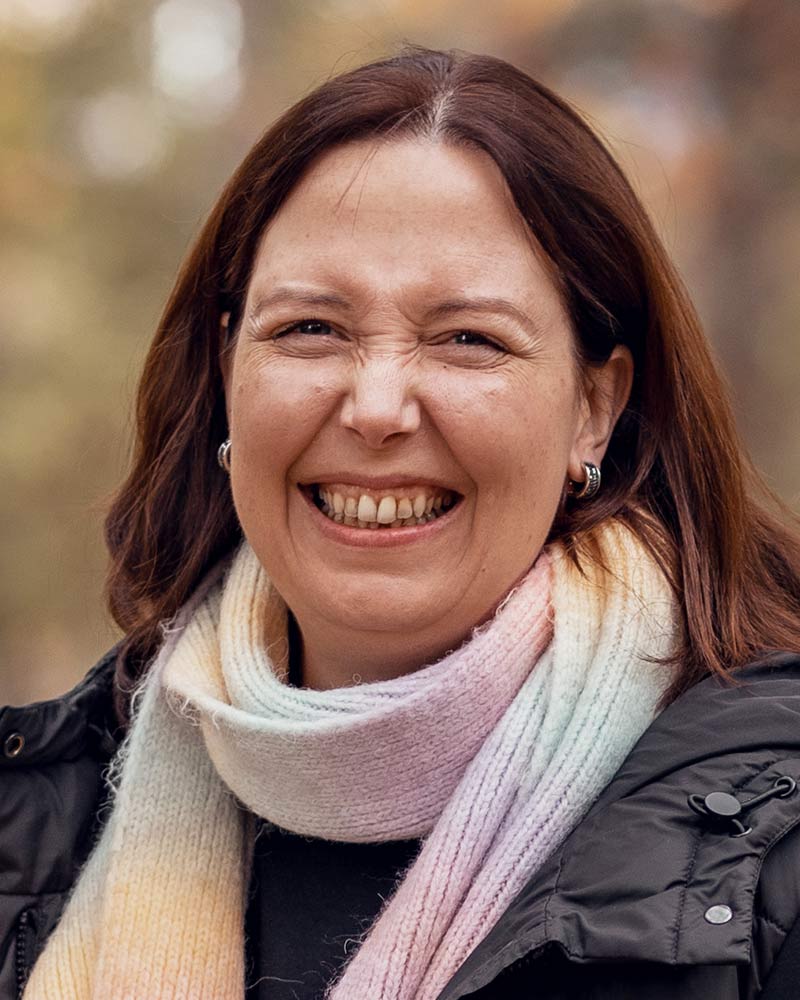
Martha Strubinger gives Parkinson’s care partners a voice of their own — speaking up about the burdens that often go unseen and calling for greater understanding in families, healthcare, and public life.
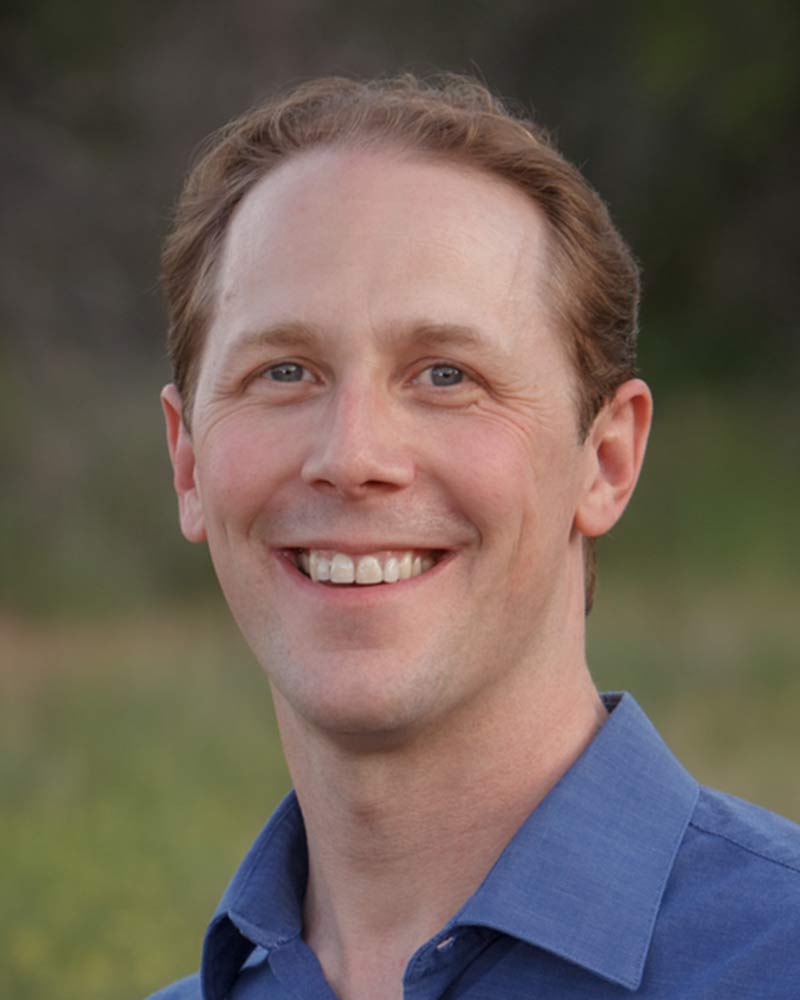
Speech therapist John M. Dean relies on digital therapy, exercise, and motivation—to ensure that support for Parkinson's disease reaches people where they live.
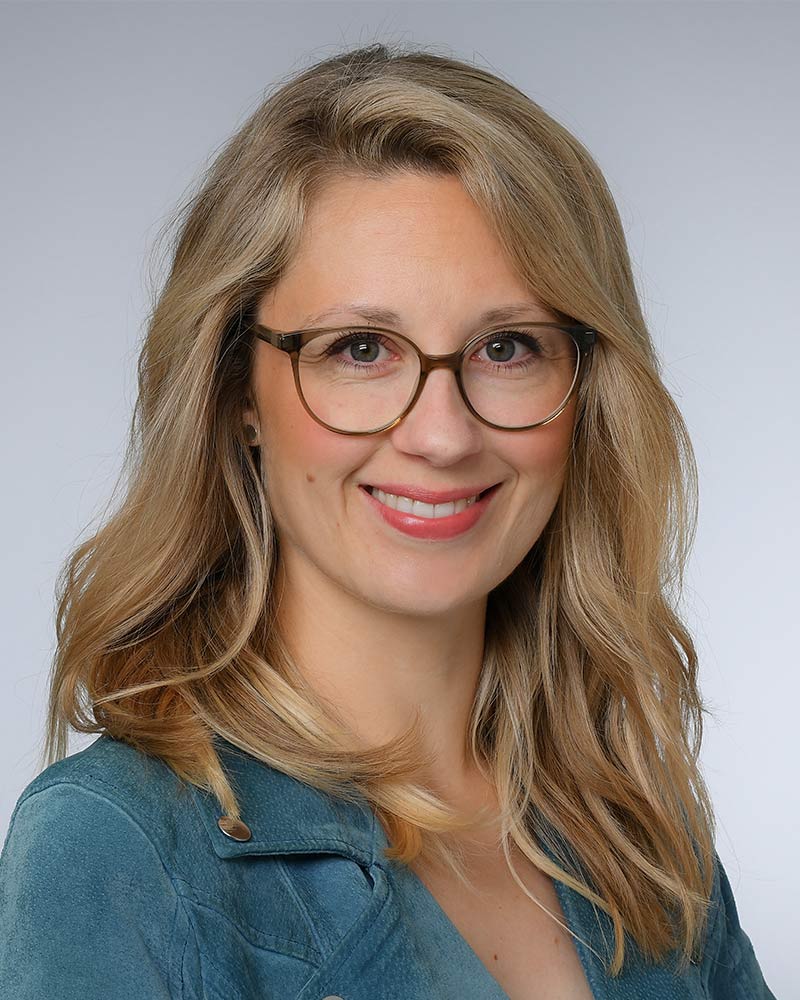
When the voice becomes softer, early support is essential. Dr. Tabea Thies discusses speech therapy, communication, and everyday safety.
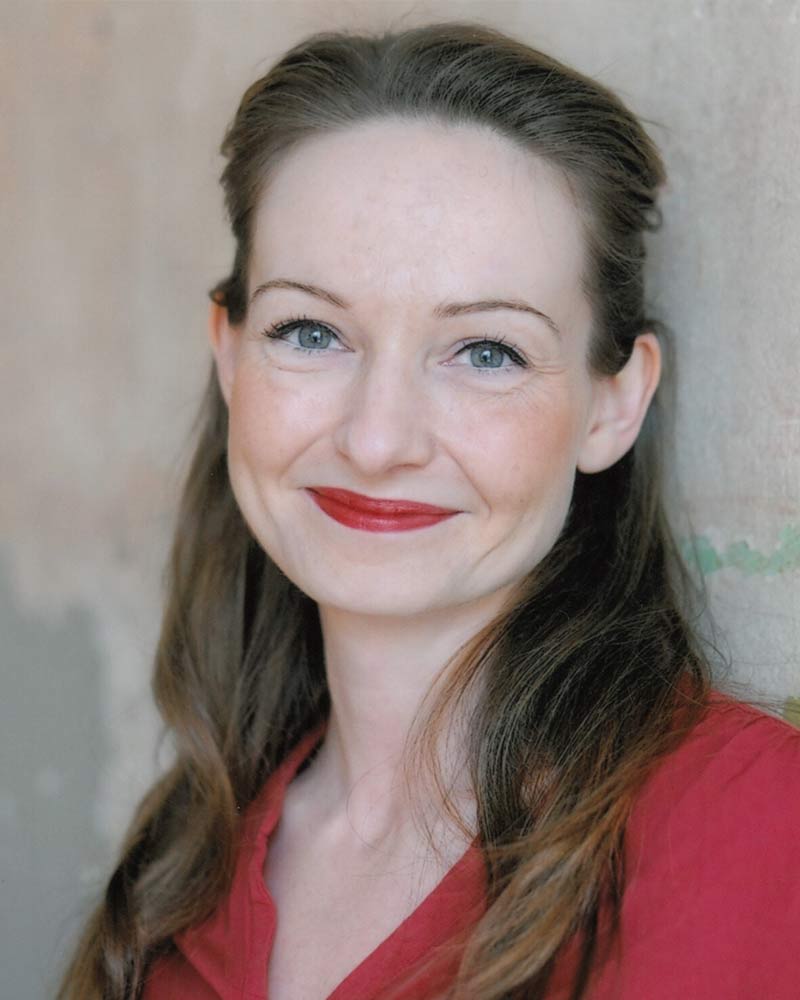
A brain pacemaker can significantly alleviate Parkinson's symptoms. Dr. Patricia Krause determines who is a candidate for deep brain stimulation.
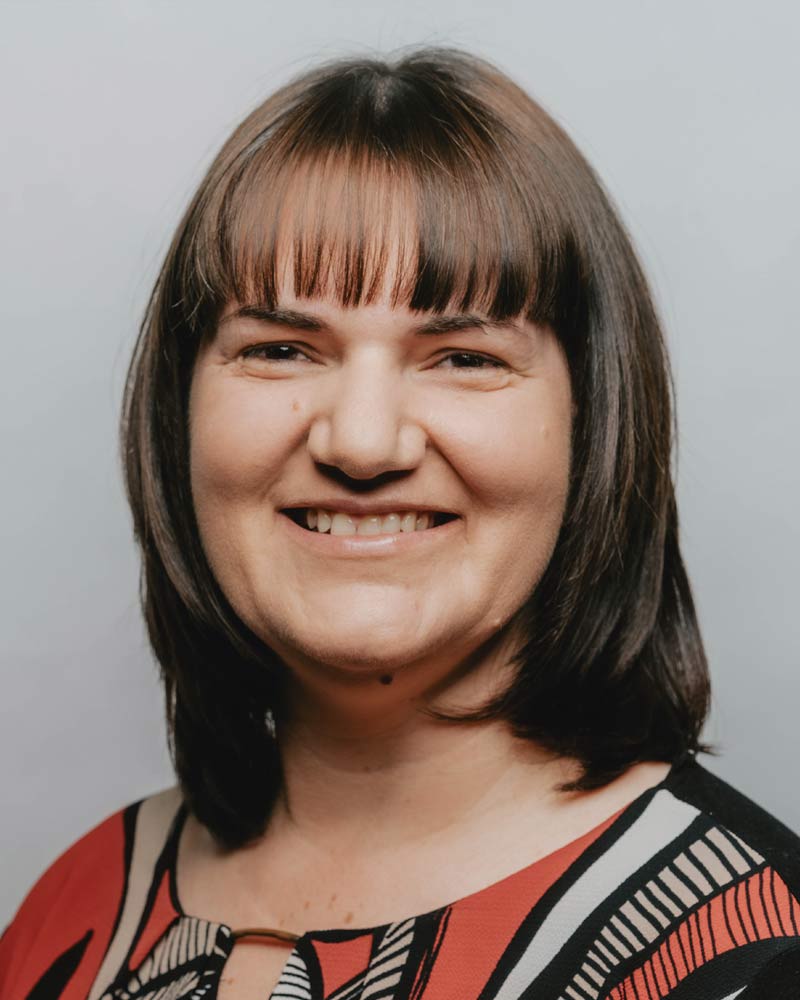
Josefa Domingos approaches therapy from an everyday perspective—using creative movement techniques, building rapport with patients, and having the courage to rethink Parkinson’s care.
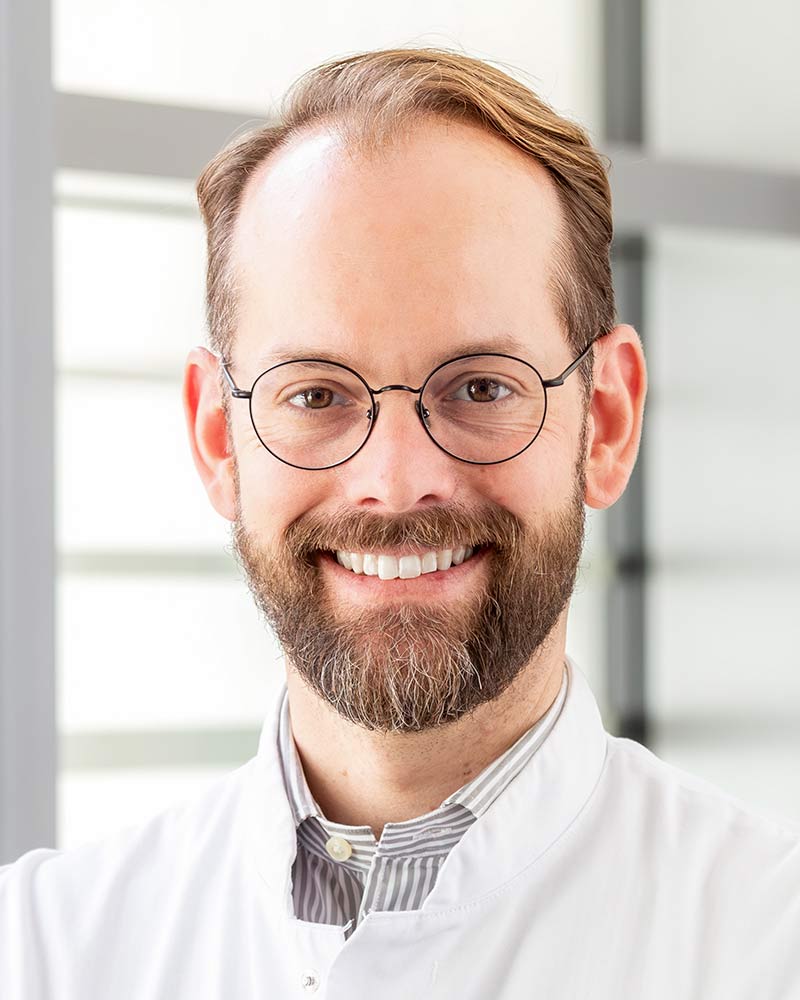
Therapy dog Ludwig brings joy to exercise: Prof. Dr. Carsten Eggers combines dog therapy, motivation, and self-efficacy in the treatment of Parkinson's disease.
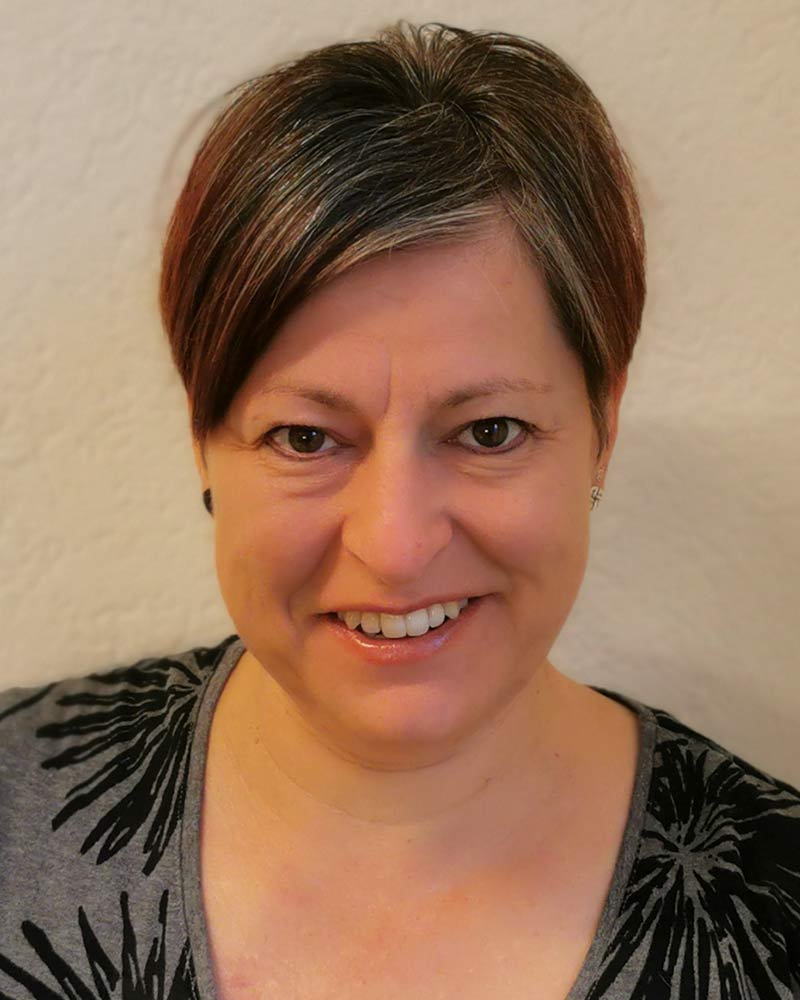
Silvia Lerch supports young people with Parkinson's through self-help, sports, and education—and shows just how much life is still possible despite an early diagnosis.