Prof. Susanne Schneider
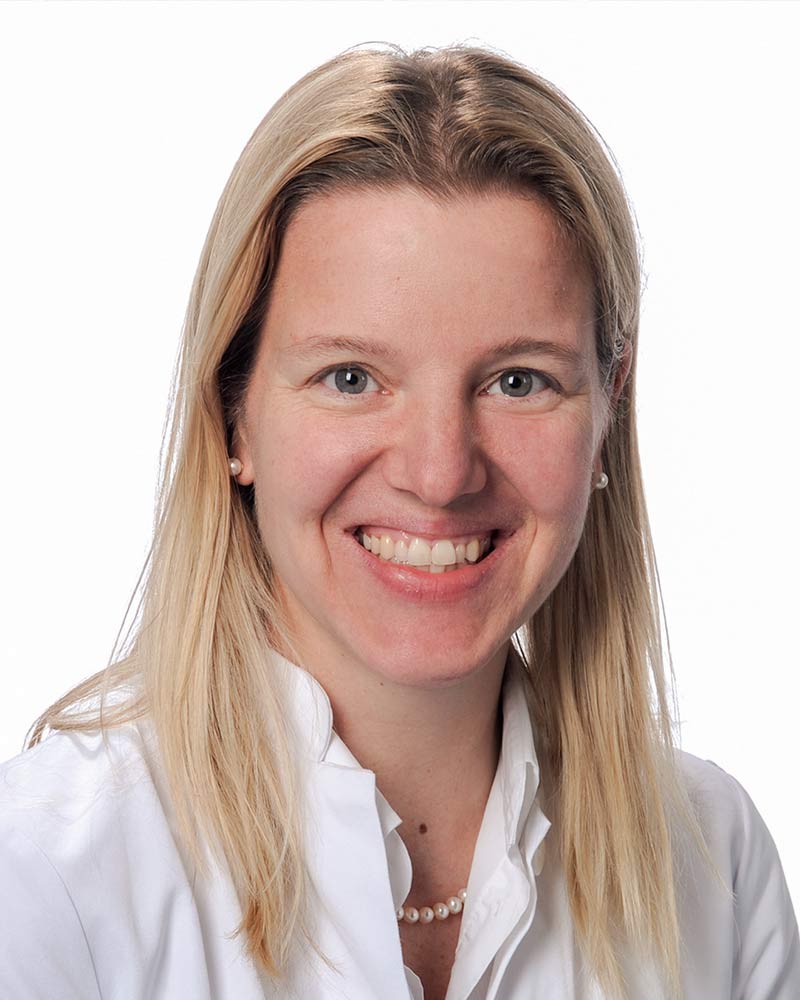
Professor Schneider, what first drew you to neurology, and specifically to movement disorders?
Even during medical school in Freiburg, Germany, I was fascinated by neurology. I saw it as an especially analytical field — you need a kind of detective’s instinct to draw conclusions about the larger processes in the brain from small clues.
I was always excited by the fact that careful observation and systematic questioning can reveal a surprising amount, even before using complex or expensive diagnostic tools.
A key experience was a clinical placement in Hamburg. I was actually assigned to internal medicine, but I met a very committed neurologist there whose enthusiasm was truly contagious. Whenever the opportunity arose, I followed him around to learn more about neurology.
Those early encounters shaped me. I think it is a bit like school: very often, it is the teachers who spark the flame. I was fortunate to meet inspiring neurologists again and again — people who encouraged me to ask questions and look closely.
You worked in London for almost five years, including four years at the UCL Queen Square Institute of Neurology. Which experiences from your time there have stayed with you most?
The years in London were deeply formative for me. What I especially valued was the close connection between clinical care and research.
We had the opportunity not only to treat patients with rare or complex movement disorders, but also to understand their diseases — to document their course, recognize patterns, and generate new insights from them. That was also where I came into contact with the genetics of neurological diseases, which had fascinated me from the very beginning.
In recent years, there has also been growing momentum in academia and the pharmaceutical industry to develop tailored medications based on this knowledge of pathophysiology — for example, genetic mechanisms. The goal is not only to offer patients symptom-focused, one-size-fits-all medications, but to move toward personalized therapy. This is often referred to as precision medicine or individualized medicine.
You have also worked extensively on rare, genetic forms of Parkinson’s. What fascinates you most about this field?
What fascinates me is the connection between genetics, clinical medicine, and modern diagnostics — because it allows us to get much closer to the roots of the disease.
Familial Parkinson’s syndromes, in particular, serve as model diseases, almost like a window into the biological foundations of Parkinson’s. They show us clearly which molecular processes can lead to the typical symptoms. This knowledge opens the door to the tailored, mechanism-based therapies we just mentioned.
This field has also shaped me on a human level. Inherited diseases often affect several family members across generations — families who, despite everything they are facing, do not lose courage. The strength and hope many of these families show have deeply impressed me.
How does Parkinson’s in children or adolescents fundamentally differ from Parkinson’s in older adults?
Parkinson’s disease is generally a disease of older adults. However, Parkinson’s can also occur at a younger age, and in rare cases even in childhood. That is the exception. If the disease begins before age 40, we speak of early-onset Parkinson’s; if it begins before age 20, it is referred to as juvenile parkinsonism.
These early-onset forms differ in many ways from classic Parkinson’s disease that begins later in life. The disease is often very complex: in addition to typical Parkinson’s symptoms, other symptoms such as spasticity may occur. Especially in young patients, a genetic cause should be considered, particularly so-called autosomal recessive causes.
But genetic causes are also known in “classic” Parkinson’s disease that begins later in adulthood. The guideline of the German Society of Neurology, the German professional society for neurology, explicitly addresses genetic aspects of Parkinson’s disease and outlines which patients should be offered genetic testing.
Early-onset forms can also differ in how well patients respond to therapy. In addition, they create special challenges for long-term care. These young people are often in the middle of life — in training, university, or the early stages of their careers — and their needs differ fundamentally from those of older patients. That requires a very individualized concept for treatment and support.
How important is genetic testing in these cases, and what role does it play in treatment planning?
Genetic testing is of central importance. It helps not only with individual counseling, but also opens therapeutic perspectives that are becoming increasingly concrete. When we know the genetic cause, we can better estimate the likely course of the disease and evaluate treatment options more specifically — whether through clinical trials or the development of new medications.
It is currently assumed that the total number of people with Parkinson’s worldwide will double or even triple by 2050. That makes it all the more important to research the genetic background now and to develop targeted medications on that basis.
But a genetic diagnosis does not affect only the patients themselves. Often, questions arise for the entire family: Is there a risk for siblings or children? How should the family deal with this knowledge? That is why it is essential that genetic testing is always paired with sound genetic counseling, in a sensitive and supportive setting.
Can you give an example of where a tailored therapy based on genetic insights has been especially helpful?
One compelling example comes from research into lysosomal storage disorders. In these diseases, genetic defects prevent cellular waste products from being broken down properly — a process that also plays a role in some forms of Parkinson’s.
Today, there are medications that target the defect directly and can improve these breakdown processes, either by replacing the affected enzymes or by reducing harmful substances.
These therapies are intended for small patient groups and related disease mechanisms. But they show something very concrete: when we understand the biology of a disease, we can begin to intervene more specifically — not only by relieving symptoms, but potentially by influencing the course of disease.
You are active in several international committees. What role does this exchange play in your work?
International exchange is wonderfully enriching for me. In committees such as those of the International Parkinson and Movement Disorder Society, or MDS, we work with colleagues from all over the world — from countries with very different resources, but with the same passion for our patients.
This broader view is enormously helpful. It expands one’s perspective, puts one’s own problems into context, and inspires new solutions.
I am repeatedly impressed by how much colleagues achieve under the most difficult conditions — and by how much we can learn from one another when we connect.
Are there countries or models around the world that Germany could learn from in Parkinson’s care?
Yes, absolutely. One model is ParkinsonNet in the Netherlands: a nationwide Dutch care network that closely connects specialized physicians, therapists, and nursing professionals. This concept not only improves the quality of care, but also makes treatment more efficient and more patient-centered.
The British model is also instructive. Parkinson’s nurses, who accompany patients over longer periods of time, have been established there for many years. That has great potential for Germany.
The point is to understand care not as a series of isolated appointments, but as a continuous, integrated process — and that is exactly what these models show us.
What motivates you to be so deeply involved in the scientific and structural development of your field beyond your clinical work?
I am firmly convinced that clinical care and scientific progress have to go hand in hand. We need a better understanding of disease mechanisms — and at the same time, we need structures that bring new insights to patients quickly.
But there is also a personal motivation. Over the years, I have seen so many patients whose daily lives could be improved significantly through small changes. That immediate impact — seeing how new ideas can help in concrete ways — is my strongest driving force.
Since the beginning of the year, you have been part of the consortium leadership for INSPIRE-PNRM+, a care study within ParkinsonNet RheinMain+, a regional Parkinson’s care network in western Germany. What exactly is the project about?
INSPIRE-PNRM+ is testing new approaches to outpatient Parkinson’s care in Germany. The project is based in the Rhine-Main region and neighboring areas, including parts of Rhineland-Palatinate, Hesse, and Saarland. It also involves building a telemedicine infrastructure and evaluating economic efficiency.
At the center of the project are Advanced Practice Nurses, or APNs — highly trained nursing professionals with advanced clinical expertise — who closely accompany patients over the course of one year. In this German care model, APNs take on a coordinating and counseling role that is still less established in German Parkinson’s care than in some other healthcare systems.
The APNs advise patients on medications, assistive devices, therapies, psychosocial questions, and more. They are also constant points of contact in a healthcare system that can often be difficult to navigate. At the time of our conversation, around 500 people with Parkinson’s from the German states of Rhineland-Palatinate, Hesse, and Saarland were already taking part in the study and were being supported by 10 APNs. Recruitment is still ongoing, and we are happy to include additional patients in the project.
What makes the project special is the continuous, personal support. APNs are not simply extensions of physicians. They are independently working specialists who recognize problems early and coordinate solutions.
Especially in chronic diseases such as Parkinson’s, which affect many areas of life, this easy-to-access support is enormously valuable. Patients feel safer, better understood, and remain active and self-determined for longer. Our goal is to improve patients’ quality of life, avoid hospital stays, and make care more efficient and more humane overall.
How does the involvement of APNs change the traditional division of roles between physicians and nursing professionals?
A true partnership on equal footing emerges. APNs bring not only nursing expertise, but also specialized medical knowledge. They relieve physicians by addressing complex everyday questions — and in doing so, they allow physicians to focus more strongly on core medical issues.
This requires trust, clear communication, and strong training. When that succeeds, everyone involved benefits, especially the patients. It takes mutual respect, openness to new role definitions, and the courage to truly share responsibility. Good education and training concepts for APNs are just as important as creating clear legal frameworks that secure these new structures.
How can APNs help reduce strain and improve care in complex cases, such as rare or early-onset forms of Parkinson’s?
Especially in complex cases, the holistic perspective of APNs is particularly valuable. They recognize connections that could easily be overlooked in the stressful day-to-day reality of clinical practice, and they help tailor therapies to the individual.
APNs build bridges: between different specialties, between medicine and everyday life, between treatment plans and hope for patients and their families.
INSPIRE is designed as a one-year study. Which questions are central to the scientific evaluation?
Two key questions are at the center of our scientific evaluation.
First, we want to know whether intensive support from Advanced Practice Nurses measurably improves the quality of life of people with Parkinson’s — for example, in terms of mobility, independence, or psychological well-being.
Second, we are examining whether this structured support can also reduce the burden on the healthcare system. By that, we mean fewer unplanned hospital admissions, fewer emergency contacts, and fewer doctor visits that could have been avoided through earlier support.
It is important for us to emphasize that the goal is not to replace physicians, but to complement them in a meaningful way — for care that is closer to patients’ needs.
What concrete changes do you hope the study results will bring, for example in routine care?
My hope is that INSPIRE will provide a real impetus to connect nursing and medicine more closely. If it becomes clear that the work of APNs not only improves quality of life, but also conserves resources, that would be a strong incentive to bring this model into the regular healthcare system.
Especially for chronic diseases such as Parkinson’s, we urgently need new concepts — not simply more doctors, but a more intelligent system that recognizes specialized nursing professionals as a natural part of care. I hope this will help us achieve care that reaches patients earlier, more personally, and more sustainably — without bureaucratic hurdles, but with more humanity and expertise available to everyone.
How could this model reach rural regions or underserved patient groups in the long term?
There is enormous potential, especially in rural regions. APNs could be deployed specifically to support patients where access to specialized physicians or therapists is difficult. They can make home visits, provide telemedicine support, coordinate therapies, and help close gaps in care.
Of course, this requires a smart, comprehensive structure. But if we are serious about equal access to healthcare for everyone, then innovative approaches like this also have to be considered and supported beyond metropolitan areas.
Could app-supported therapies also be a useful addition for people with Parkinson’s?
Absolutely. Digital applications offer a major opportunity to make care more individualized and flexible. Apps can capture movement data, document symptoms, offer training sessions, or remind patients to take medication.
Especially for younger or more tech-savvy patients, they can provide important support in everyday life — provided they are practical, scientifically sound, and developed in compliance with data privacy standards. The technology has to be simple, intuitive, and meaningfully integrated into daily life. No one wants to struggle with complicated applications while managing a disease.
It is also important that digital tools can be personalized, because Parkinson’s is a highly individual disease. And the data that are collected should not simply disappear into an app silo. They should be meaningfully integrated into medical care: as an additional basis for decision-making, as an early warning system, or as a foundation for better, continuous therapy planning.
What would be your greatest wish if you look toward the future of Parkinson’s care today?
My greatest wish would be that we can recognize and treat diseases such as Parkinson’s much earlier and much more precisely. This is where my heart really beats for genetics.
That we do not only manage symptoms, but use pathophysiology and genetics to understand causes and intervene in a targeted way — with personalized therapies tailored to the molecular characteristics of each individual person.
At the same time, I wish for care that is more human: with more time for conversations, less bureaucracy, and more individualized support.
If we can bring both together — scientific progress and truly person-centered care — then we can improve patients’ lives in a lasting way.
Thank you very much for this in-depth conversation. We wish you every success with your study and all your future projects.

More exciting interviews
Martha Strubinger gives Parkinson’s care partners a voice of their own — speaking up about the burdens that often go unseen and calling for greater understanding in families, healthcare, and public life.
Speech therapist John M. Dean relies on digital therapy, exercise, and motivation—to ensure that support for Parkinson's disease reaches people where they live.
Therapy dog Ludwig brings joy to exercise: Prof. Dr. Carsten Eggers combines dog therapy, motivation, and self-efficacy in the treatment of Parkinson's disease.
Josefa Domingos approaches therapy from an everyday perspective—using creative movement techniques, building rapport with patients, and having the courage to rethink Parkinson’s care.
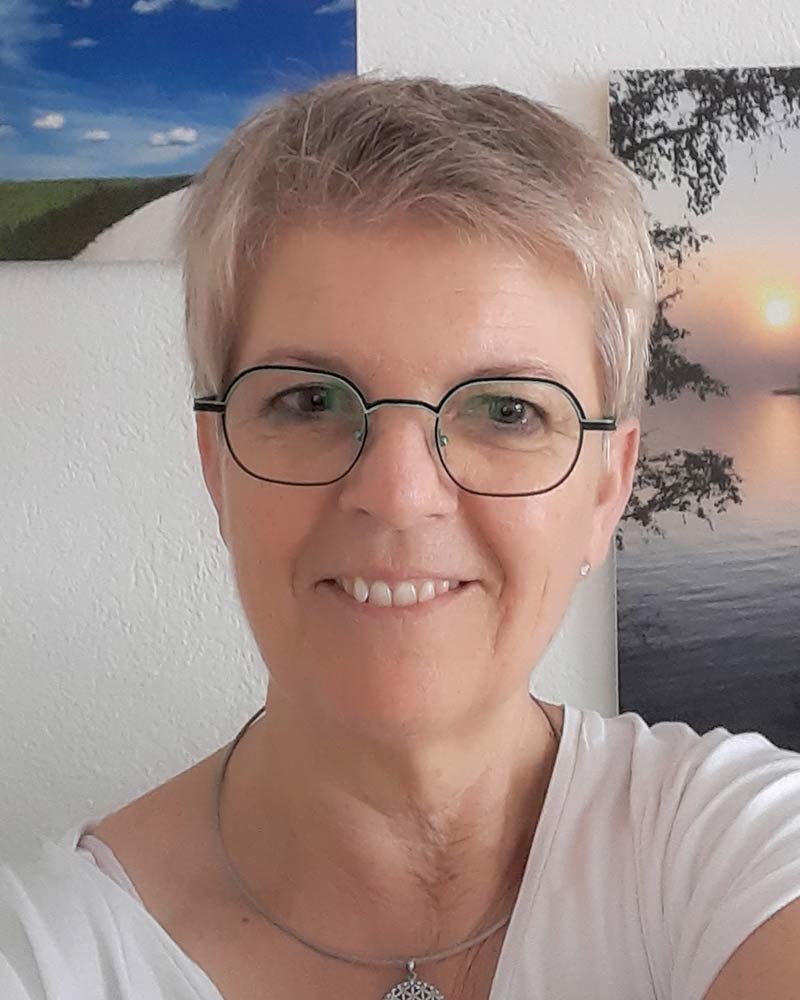
Monika Morgenthaler knows Parkinson’s from both sides — as a patient and as a caregiver. She talks about caregiving, family, ping-pong, and choosing to make room for joy.
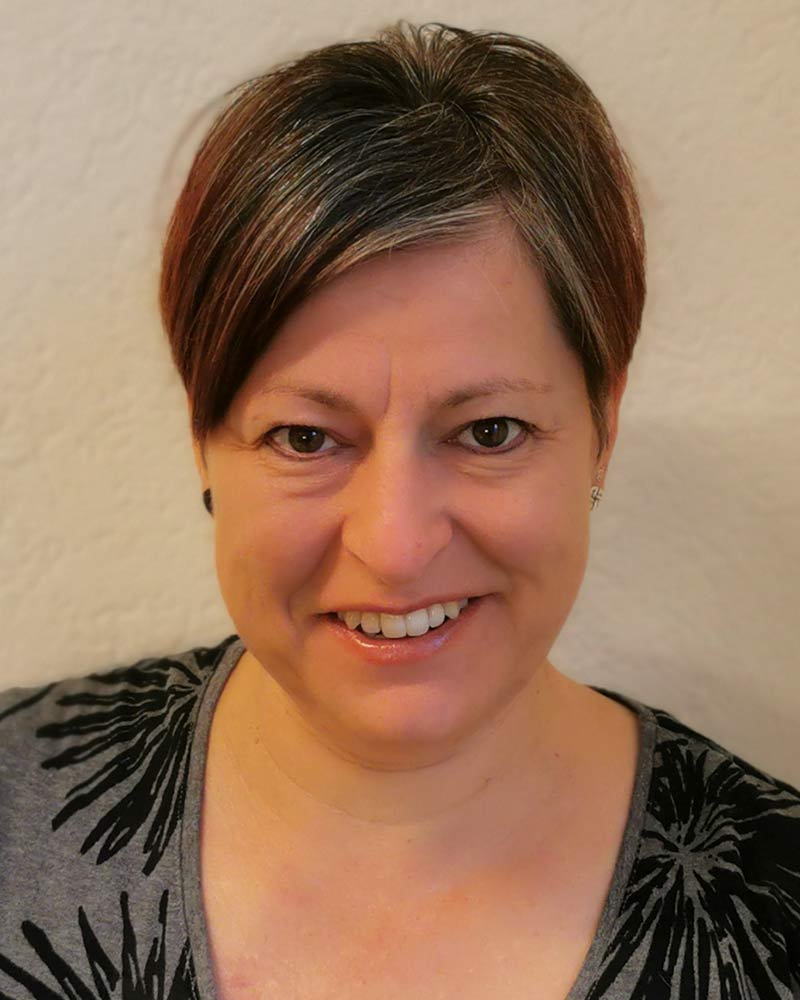
Silvia Lerch supports young people with Parkinson's through self-help, sports, and education—and shows just how much life is still possible despite an early diagnosis.
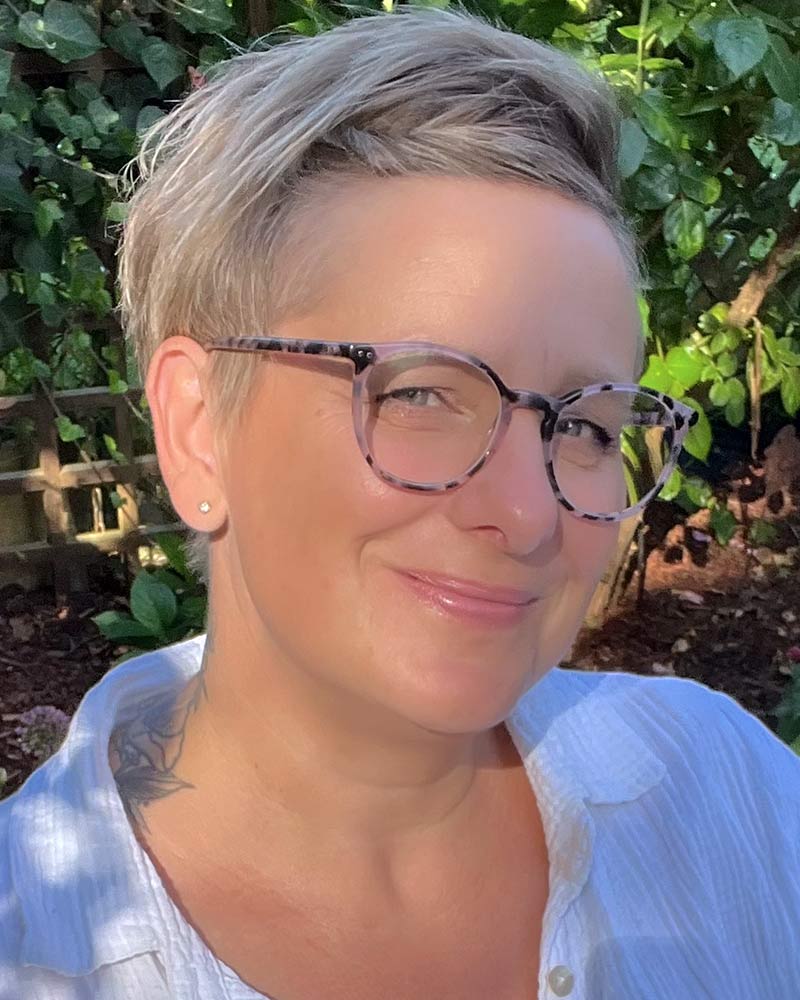
Melanie Giebel has learned to become an expert on herself. Through peer support, Instagram, and her radio show “Dopamine,” she encourages others to face Parkinson’s openly.
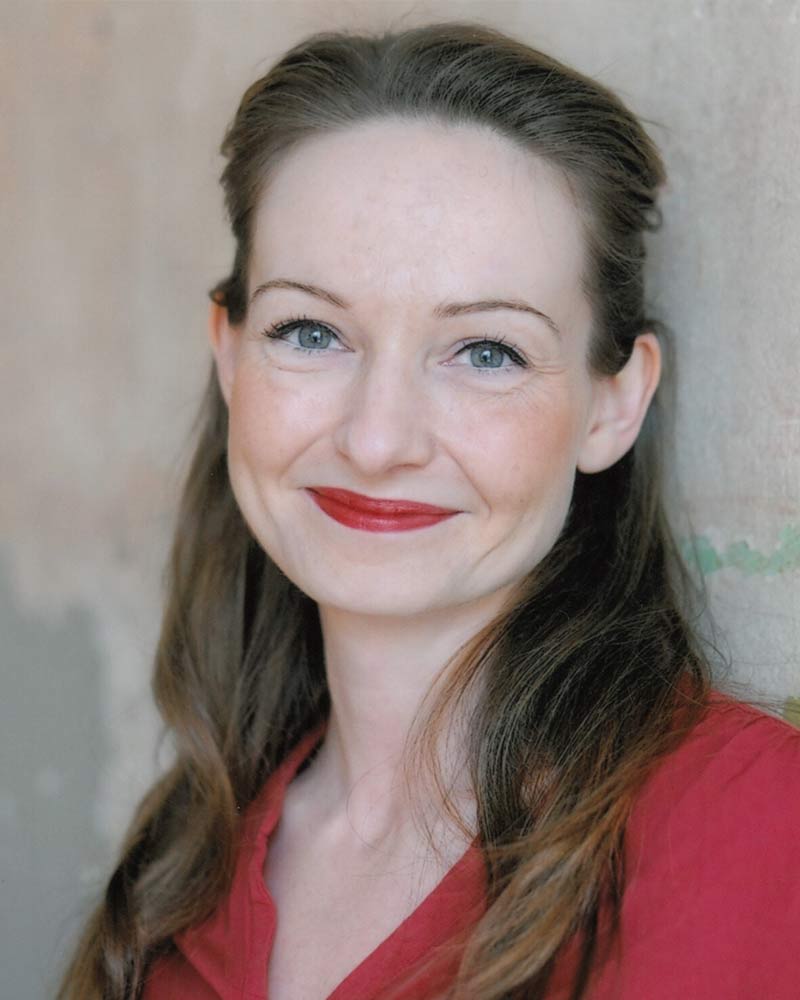
A brain pacemaker can significantly alleviate Parkinson's symptoms. Dr. Patricia Krause determines who is a candidate for deep brain stimulation.
When the voice becomes softer, early support is essential. Dr. Tabea Thies discusses speech therapy, communication, and everyday safety.
Good Parkinson’s care does not happen in the doctor’s office alone. Carina Lummer focuses on regional networks that support patients and families beyond clinical care.
The gut may play a more important role in Parkinson’s than previously thought. Dr. Arnout Bruggeman discusses microbiome research and new therapeutic perspectives.